Part 2 – oh the places we’ll go in Japan! I felt like locations and things to do needed its own highlight. You can take quite a few day trips from Osaka, Kyoto and Tokyo. Staying at all three of these main hubs and doing day trips is how you see the most. However, I’d pick what means the most to you and plan your trip around that! Meaning, do you want to hike Mt. Fuji? Experience the culture? See more authentic and traditional Japan? Explore the bustling city and night life? Venture outside of these three main cities, seeing slower areas? Japan has so much to offer, and I’ve found this website to be the most informative if you’re not sure where to start!





TOKYO
Tokyo is in the Kanto region and has the best to offer regarding contemporary culture. As I mentioned, it’s one of the main cities, so expect it to busy, but you can see these main areas within 20-30 min train rides in Tokyo:
- Shibuya & Shimokitazawa – this was my favorite area! Shimokitazawa has the best vintage/thrift shopping, and Shibuya has the famous “Shibuya Crossing” as well as a statue of Hachiko (Japan’s most famous dog!). Take a 10 min train to Shimokitazawa for fun thrifting from Shibuya Station!
- Ueno & Akihabara – Ueno Park is where we saw so many cherry blossoms but also has a zoo if you’re interested in seeing some giant pandas! You’ll also find Kaneiji Temple nearby, as Ueno Park used to be its private grounds. Akihabara is the hub of anime, manga, smartphones, games, maids, idols, cosplay and geeks, or otaku.
- Asakusa – this area has Sensoji Temple (one of my favorites) as there’s a bustling street called Nakamise Street where traditional crafts, kimonos, and Japanese sweets are found! You can also visit the Tokyo Skytree, Asakusa’s newest attraction.
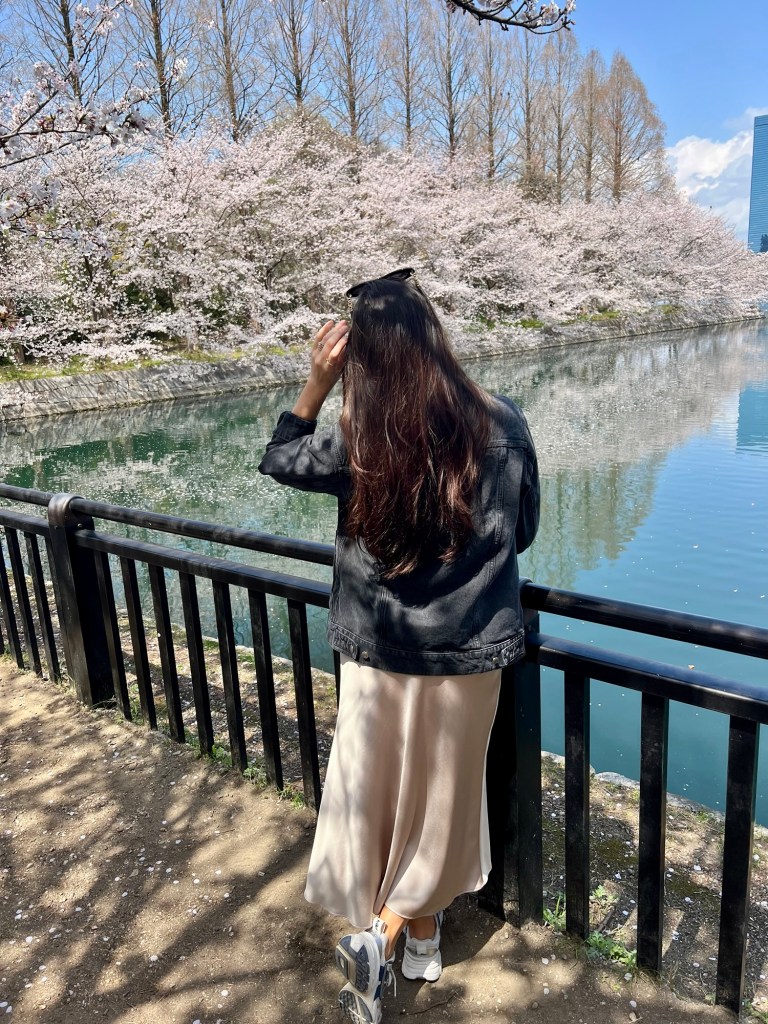
- Imperial Palace & Tokyo Station – I found this area to be the least touristy, and it was nice to experience the Imperial Palace Gardens quietly. Chidorigafuchi Moat (surrounding the Imperial Palace) is a beautiful walk during cherry blossom season – it’s 700 meters long! Tokyo Station is iconic and central, with an underground shopping mall and restaurants. Fellow foodies – check out Ramen Street, Kurobei Yokocho and Kitchen Street.
- Shinjuku – where people go to have fun! We found a fun music bar (drinks and vinyl records!), but truly you can find an insane nightlife here; a true 24-hour party. Check out Kabukicho for where it’s at – you’ll see a massive statue of Godzilla looming over the plaza!
- Ginza & Nihonbashi – the iconic Toyosu fish market! Tip – go early (aim for 7-10 am) as if you arrive too late, you’ll miss the action. Try fish at its freshest but be prepared for the smell! The major Ginza shopping district is where you’ll find several flagship stores, as well as designer stores. Japan’s first department store, called Mitsukoshi, started in 1673, and its flagship store is in Nihonbashi.
- Kappabashi – this is a specific street for the restaurants of Japan (cue pic below of giant chef head on the roof of a building!) We found the cutest chopstick rests, as well as various cooking utensils, like skinny metal tongs, a tofu cutter, an onigiri mold, and miso bowls! Restauranters and employees come here to get their uniforms, supplies, and knives. Don’t miss if you want to buy an authentic Japanese knife!
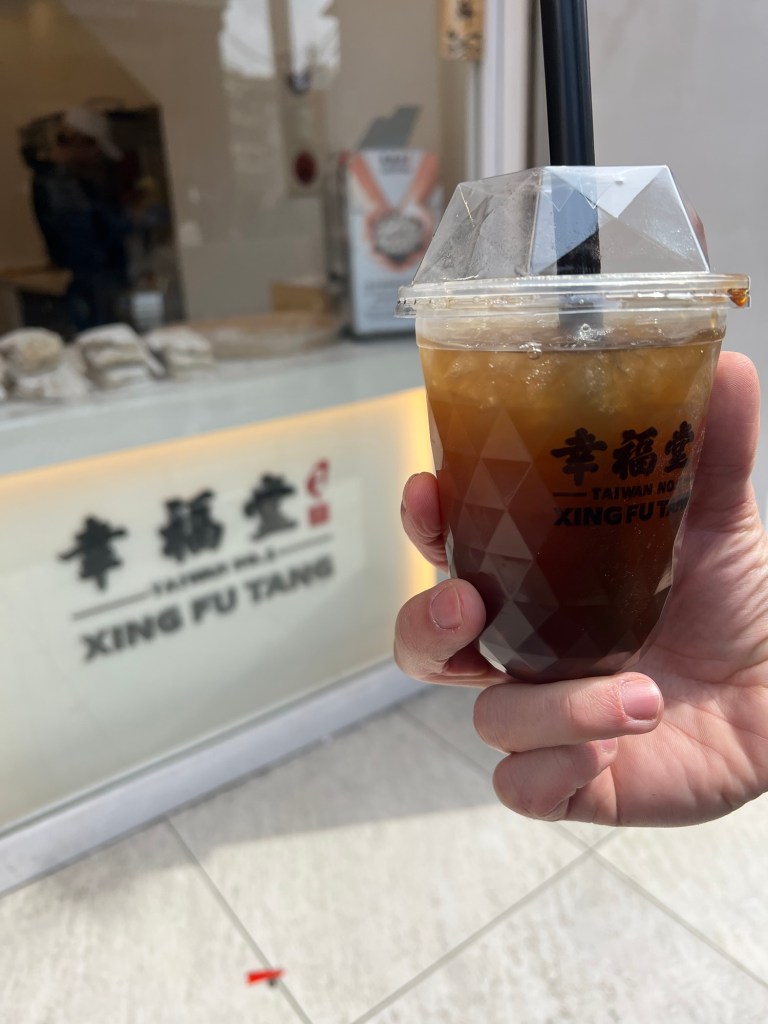
- Harajuku & Omotesando – SUPER busy with tourists, probably because it’s so well known. The Meiji-jingu Shrine (one of my favorites also!) is nearby. Colorful sake barrels are donated to the shrine entrance. You can find fun cheap trends along Takeshita Street, and so many amazing mouthwatering Japanese sweets! I loved the boba tea here. Check out Omotesando for the more modern luxury Japanese clothing brands. Venture off the main street of Takeshita to find hidden gem stores!




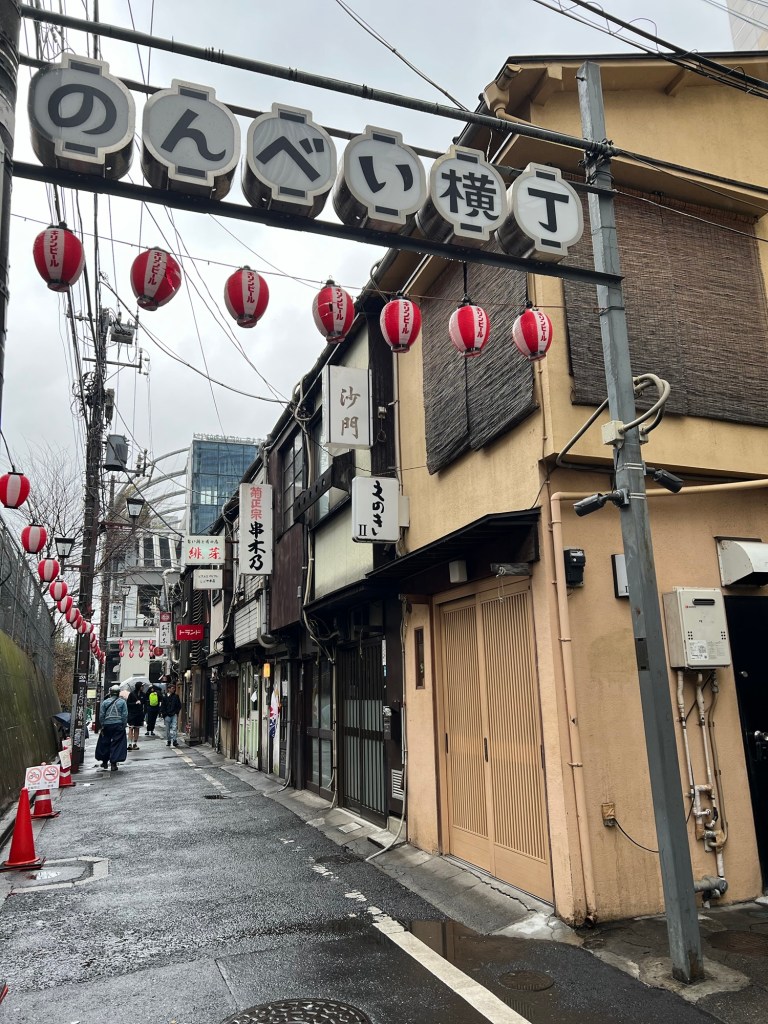
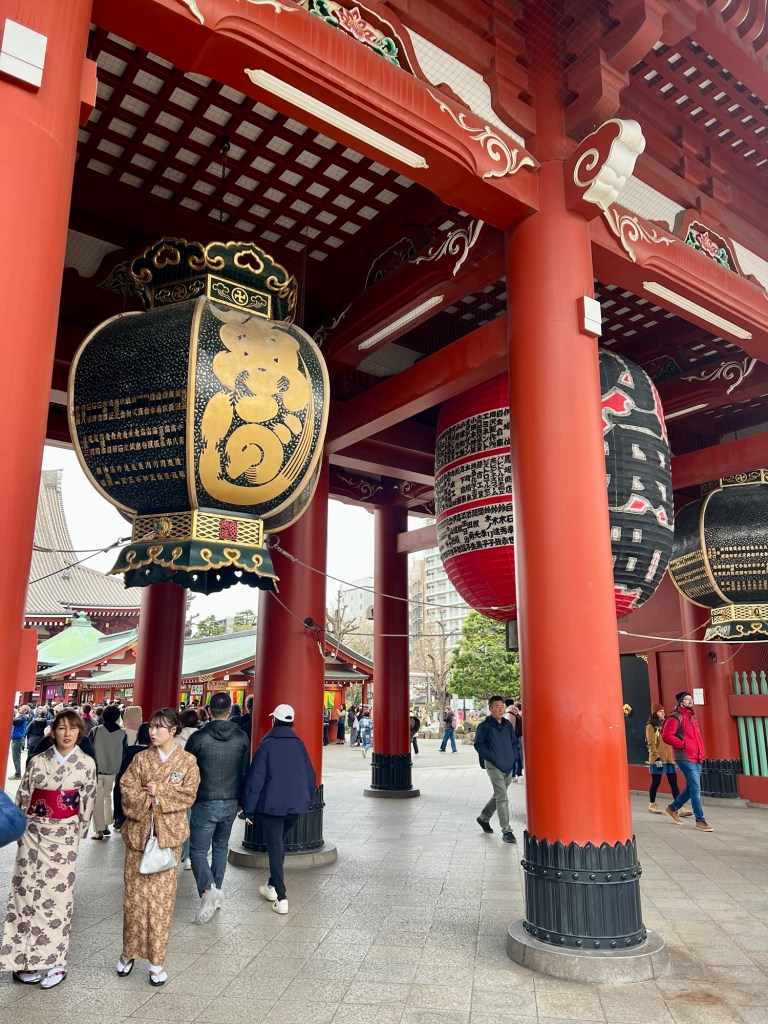
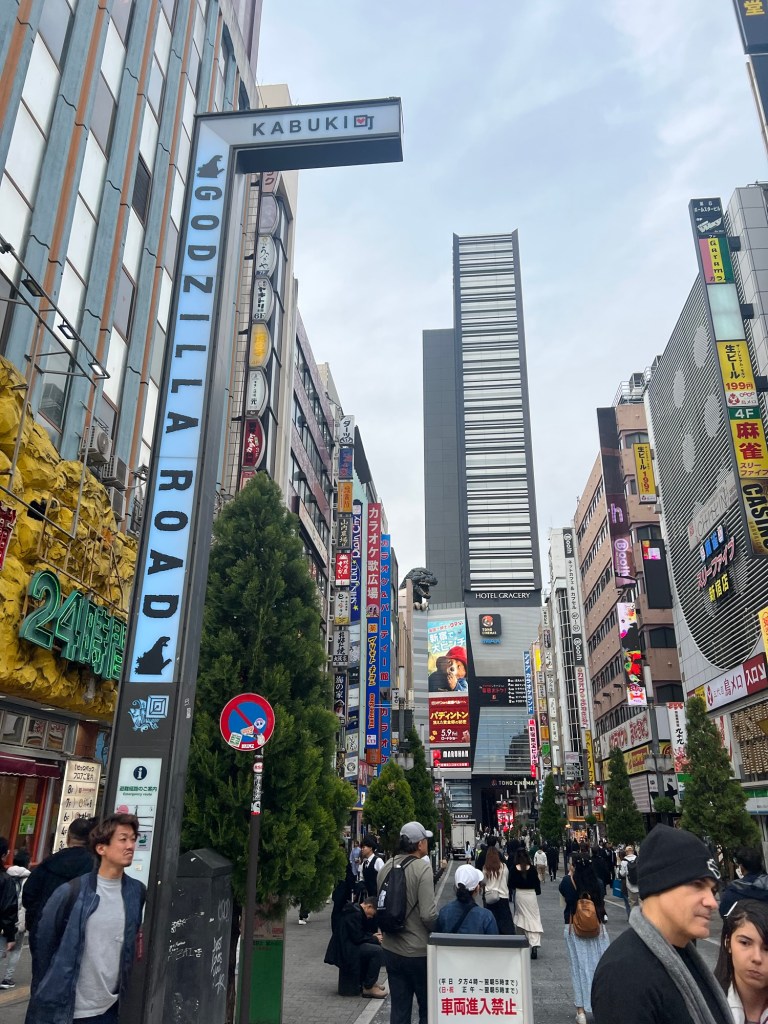


The above list does not include all the areas within Tokyo, but these were the areas we ventured to! We loved the shopping and restaurants in Tokyo. If you need a break from Japanese food, it’s definitely possible in Tokyo! There were some amazing pizza places, and it’s worth noting that Tokyo has more Michelin-recommended and Michelin-starred restaurants than Paris and London combined.
KYOTO
Kyoto, in the Kansai region, was Japan’s capital and emperor’s residence from 794 to 1868. Its rich history has been preserved, thankfully, withstanding destruction during World War II. Countless shrines and temples are still standing today, scattered within the city! You can either stay 4-5 nights in Kyoto, and take day trips to Osaka, or you can stay 3 nights in Kyoto and 2 nights in Osaka. Either provide great opportunities to experience both cities.
Kyoto can be divided into three main areas – central, western and eastern. It was recommended to me to divide the sites and things to do in each of these areas, dedicating a day or half day to each. This will prevent you from running around across town needlessly!
Can’t miss experiences in Kyoto (& I’ve noted which area of Kyoto they’re in!):
- Fushimi Inari Taisha, Eastern – the famous shrine with thousands of torii gates lined up to the top of Mount Inari. It takes about 2-3 hours to hike the whole mountain, and it’s worth it. As you get to the top, the views are better and it’s less crowded!
- Higashiyama and Gion, Eastern – the Geisha districts are here and it’s the best place to rent a kimono if you want that experience! Try to find the stunning Kiyomizudera Temple in this area.
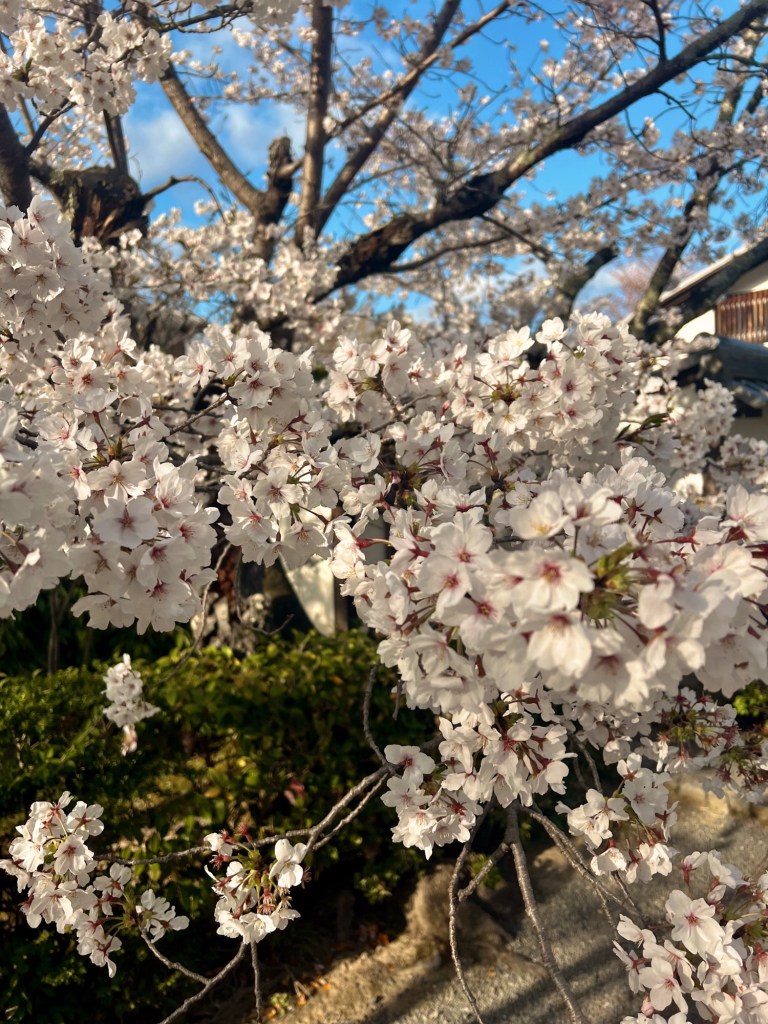
- Philosopher’s Path, Eastern – the BEST place for the cherry blossoms. There are some great places, but this serene walk just is full of them! It’s a nice stroll to Ginkaku-ji Temple, if that’s on your agenda.
- Nijo Castle, Central – former Kyoto residence of the shogun!
- Pontocho Alley, Central – a small alley with amazing restaurants! We took a stroll down and had incredible yakitori (meat skewers) and shabushabu (meat and veggies in boiled broth).
- Nishiki Market, Central – an alley with little shops (mostly food). We tried Kyoto’s mochi, and my favorite niche cooking store was here! I found wasabi salt, matcha sweet spread, and of course miso. We also got some kelp, bonito flakes and seasoned sesame seeds! Can’t miss if you’re a foodie – but bring cash. Many shops here only take cash due to their niche nature, and I was glad I had some!
- Kinkaku-ji Temple, Northern – a little out of the way, but the beautiful Golden Pavilion is worth seeing if you have time! It’s one of Kyoto’s 17 UNESCO World Heritage Sites.
- Arashiyama Bamboo Grove, Western – gorgeous bamboo trees in a serene forest. It’s open 24/7, and I loved going toward sunset. You can take a boat ride to see a new perspective if you have the time!
- Ryoan-ji Temple, Western – originally a residence for a high-ranking samurai, now it’s a UNESCO World Heritage Site. The traditional rock and sand garden is considered one of the best in the country. You can also book a traditional tea ceremony here as you overlook the Kyoyochi reflecting pool!
- Fushimi Sake District, Southern – a little further south, but this is the traditional sake district where a ton of breweries are!
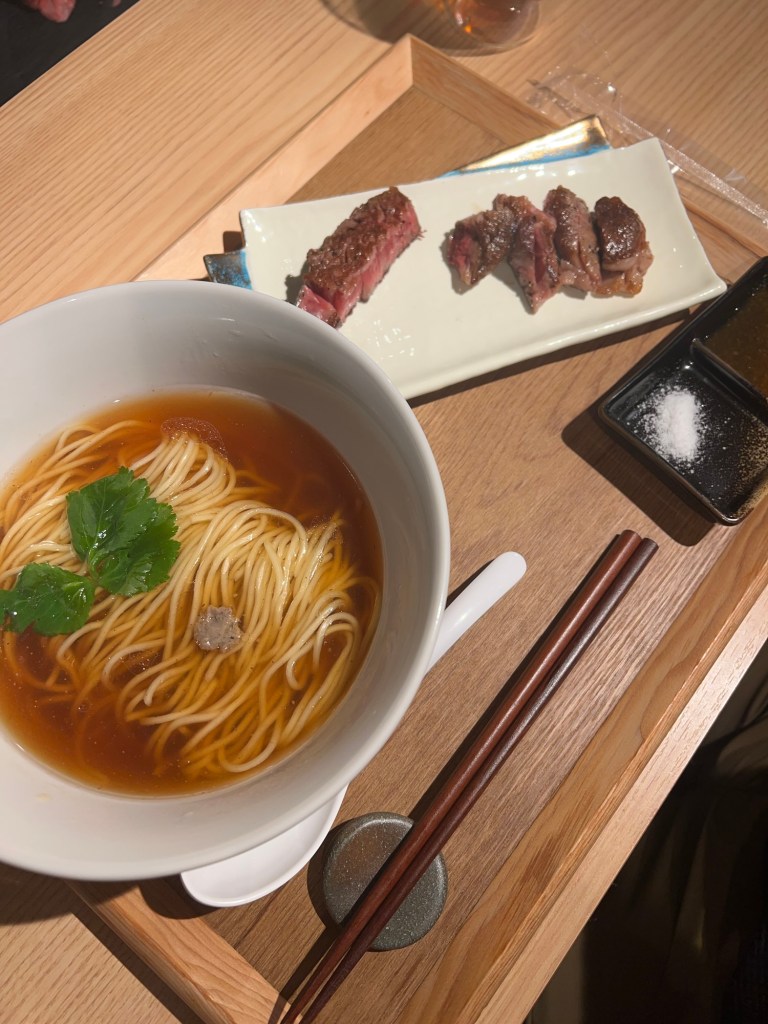
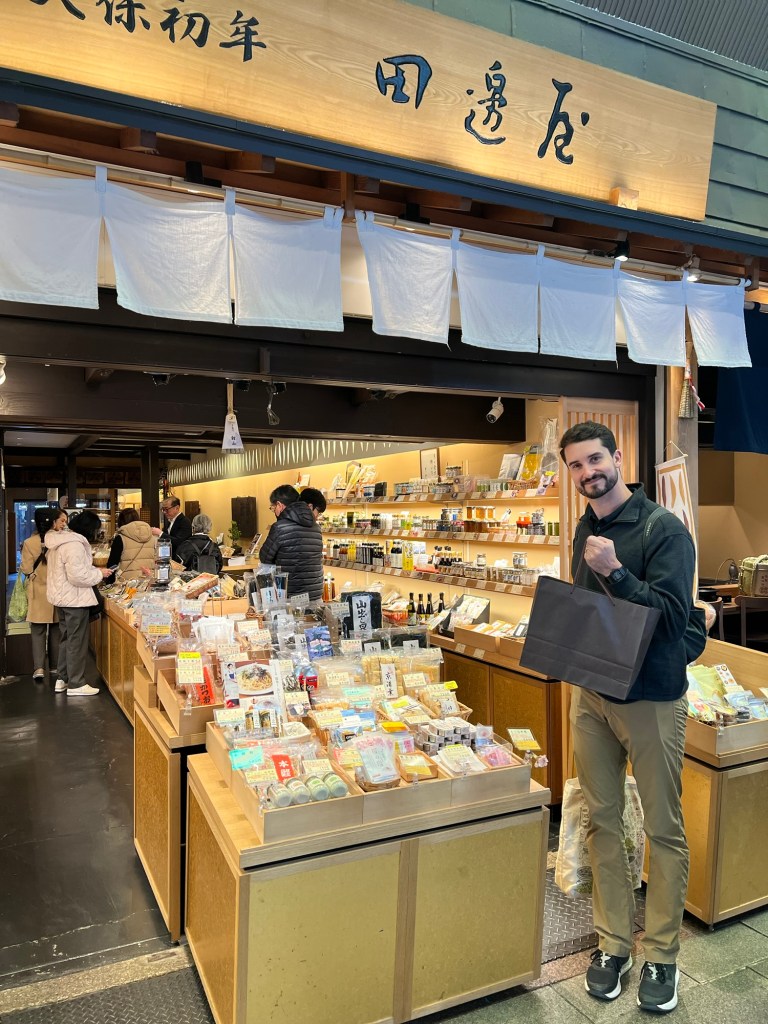

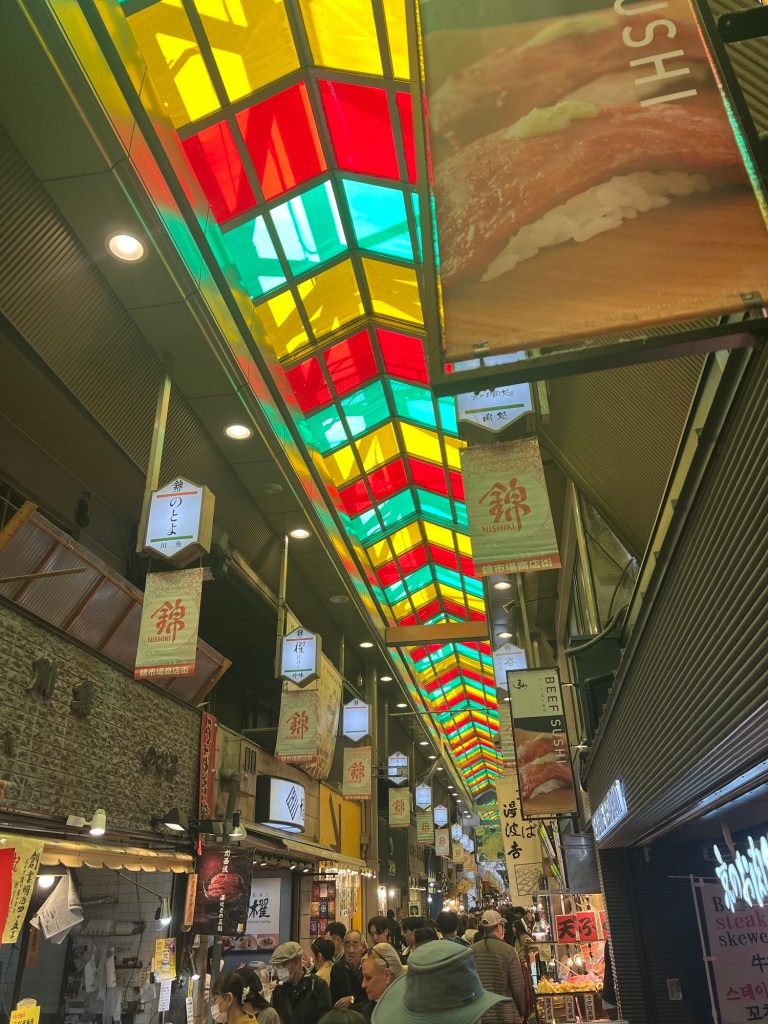

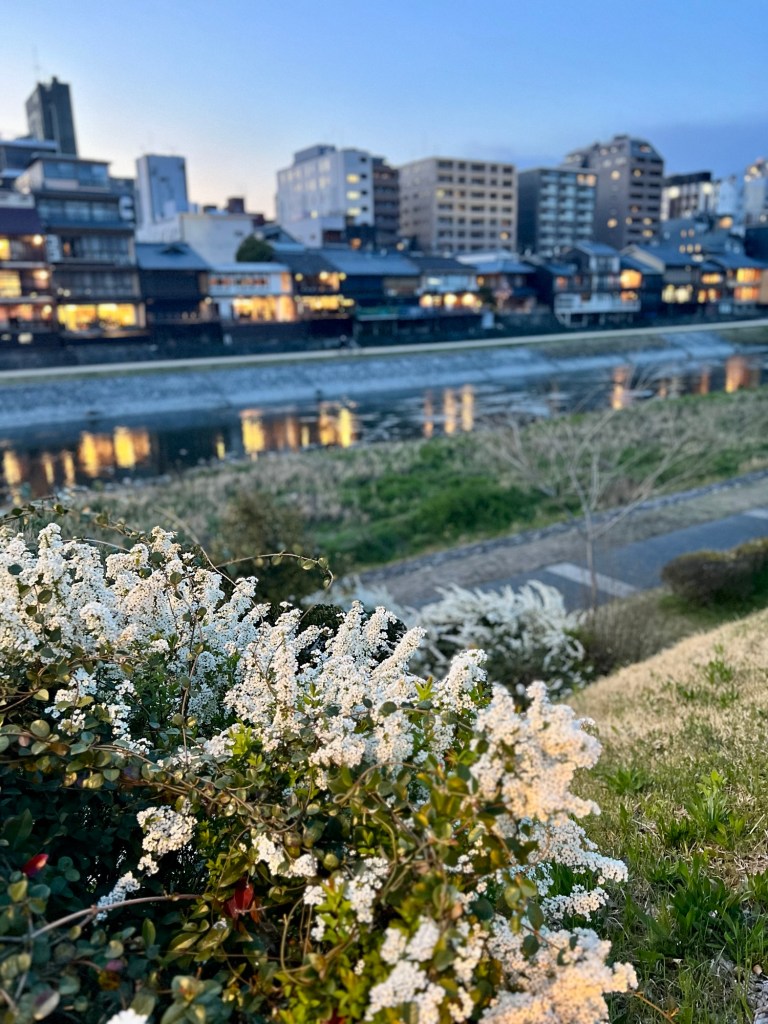
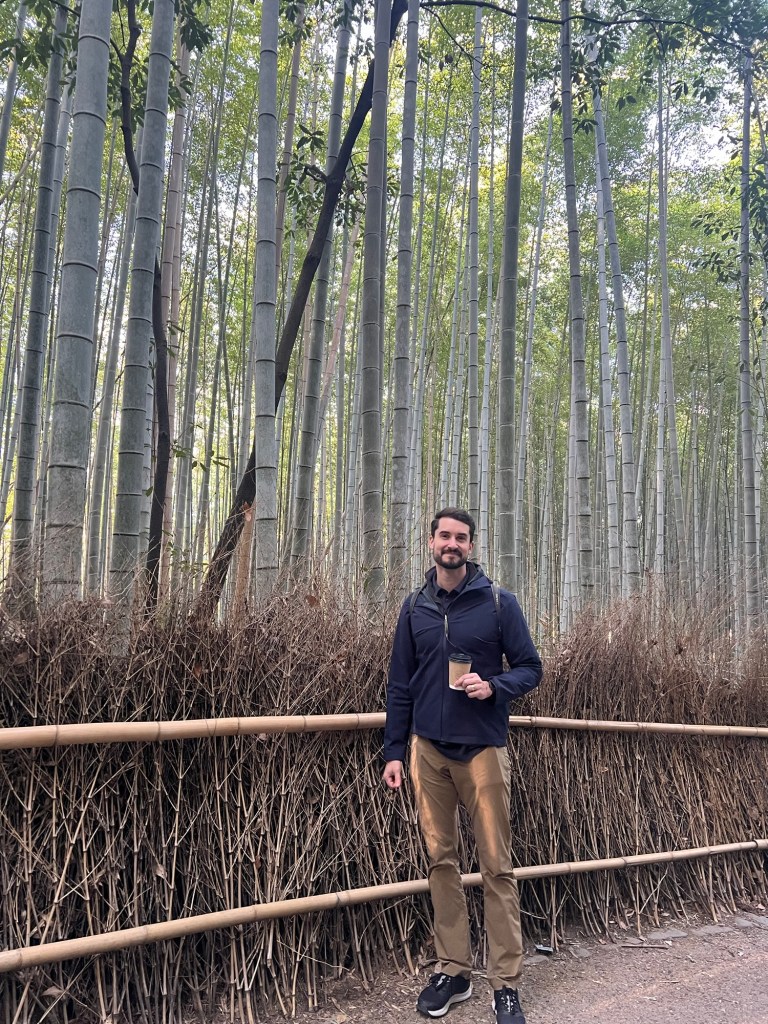


It’s worth noting there are so many more options of things to do in Kyoto, but the above list is what we accomplished. I do wish we booked a traditional tea ceremony, as I love matcha and tea! But alas, can’t do it all 🙂
OSAKA
Osaka, also in the Kansai region, is the second largest metropolitan area behind Tokyo. I personally like Osaka better, as it seemed like Kyoto had more tourists. Osaka is truly known for its food, so if you have time, I recommend a ramen and gyoza cooking class! I tried to recreate ramen once I got back home and was utterly distraught it wasn’t the same!!
A few can’t miss experiences in Osaka, but mainly just try to find great street food and fun shopping! Osaka was a blur to me, and I definitely didn’t document as much of the sights. We mainly focused on the eating experiences here, and more on that in the last part of this Japan travel series!
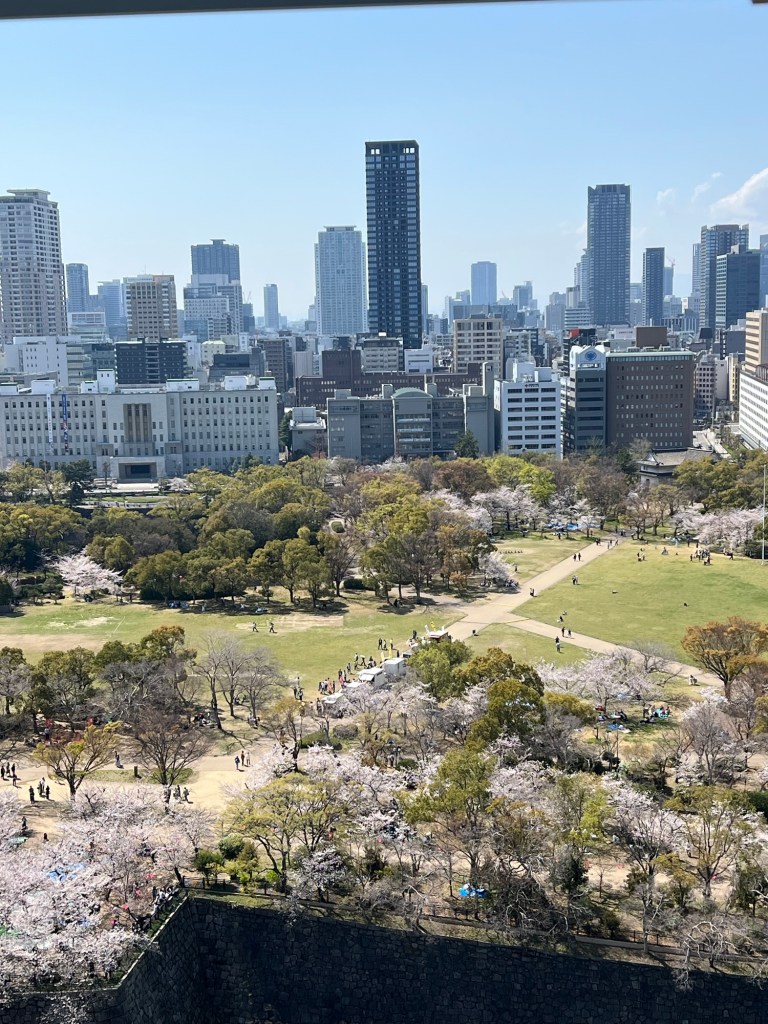
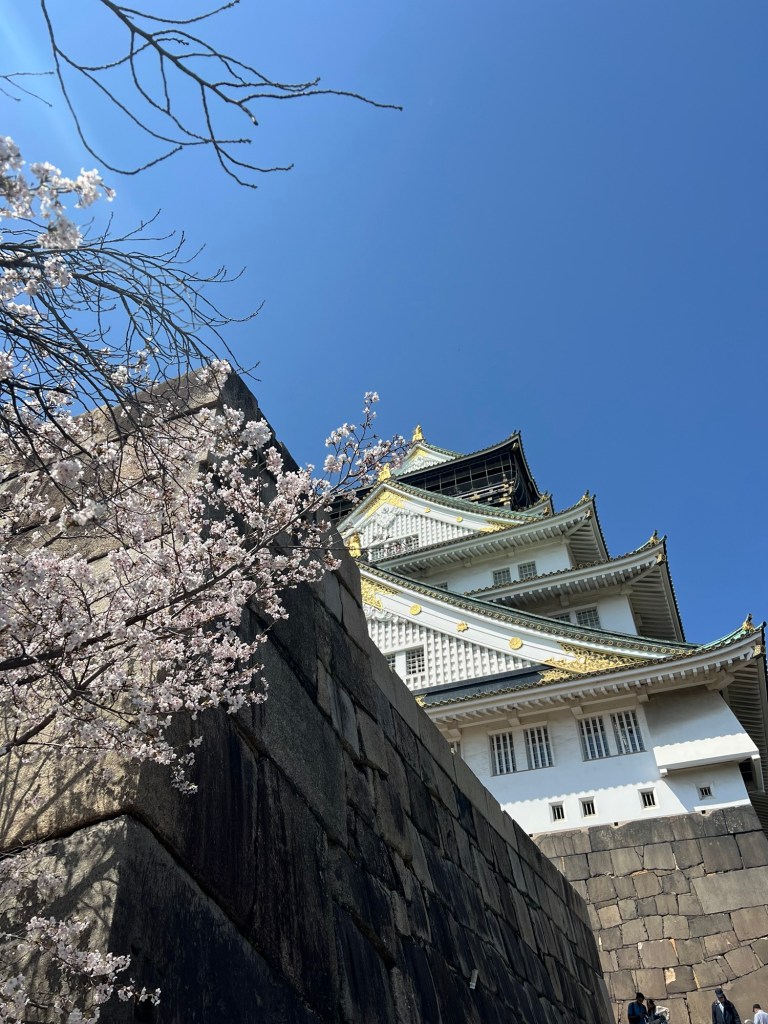
- Osaka Castle – an icon and a legend; take some time for the museum if you can!
- Namba Shrine – in the Minami district, located in southern downtown Osaka. It has a 12-meter-tall lion head shaped building – legend says the lion swallows the evil spirits that surround visitors, and it’s free to visit.
- Nipponbashi Den-Den Town – the hub of retro video games!
- Dotonbori – this is the heart of Osaka’s nightlife. You can do a walking tour, but the best time to go is dinnertime and see what you can find!
- Universal Studios – self-explanatory 😉 but if you’re into thrill rides and theme parks, this one is highly recommended.
- Shitennoji Temple – one of the oldest temples in Japan
- Asahi Suita Brewery – you’ll see this beer everywhere and this brewery offers tours! If you’re into local breweries, don’t miss it.





OTHER NOTABLES
Here are some more options of day trips. Feel free to do more research yourself, if any of the below descriptions are intriguing! In parenthesis is the region of where the city is found.
- KOBE (Kansai) – obviously for the Kobe beef! Need I say more? *see above slideshow for some cool pictures.
- NARA (Kansai) – most famous for the deer park, where the deer truly are savage if you have food on you! More than 1200 Sika deer roam the park freely.
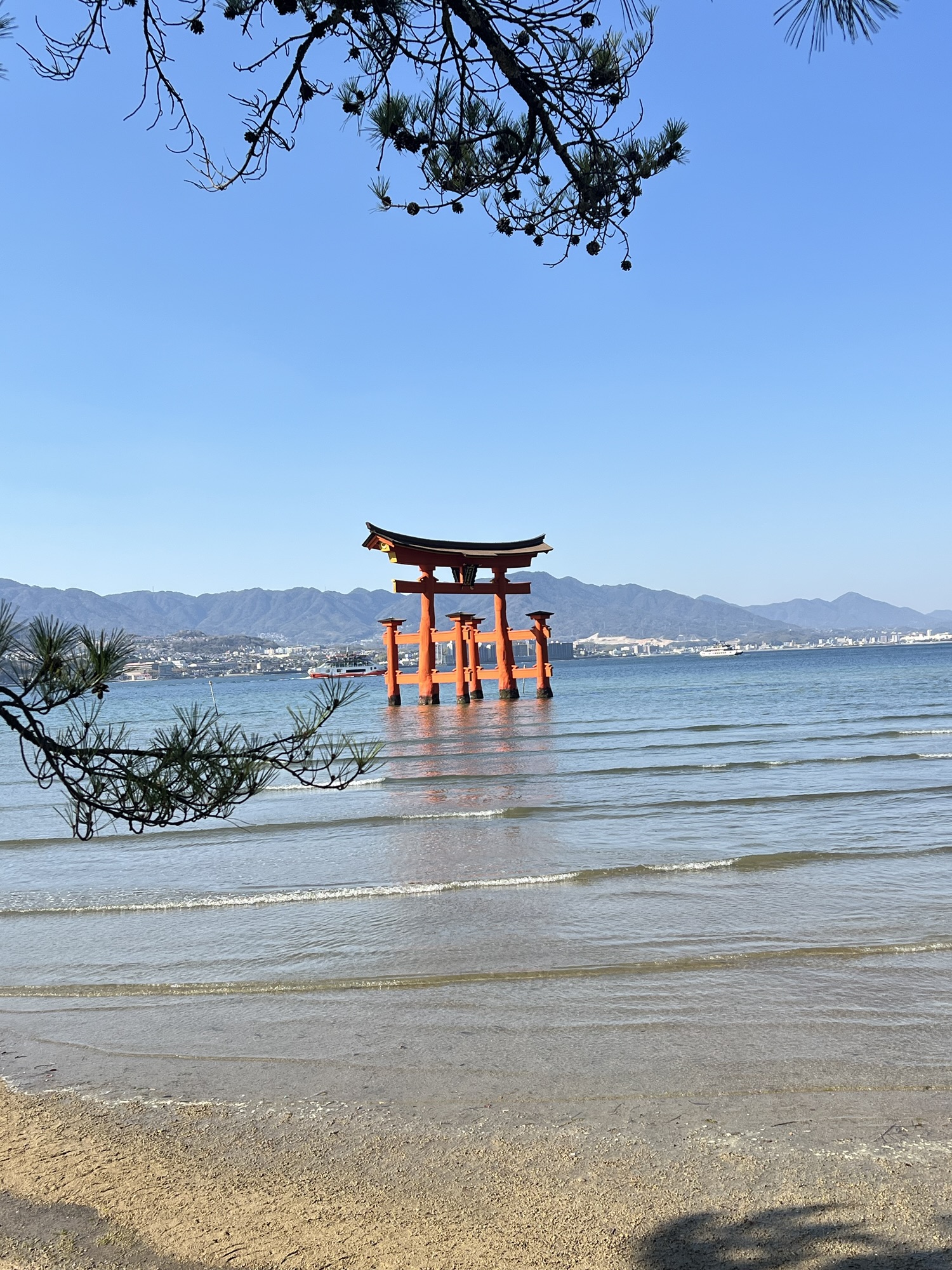
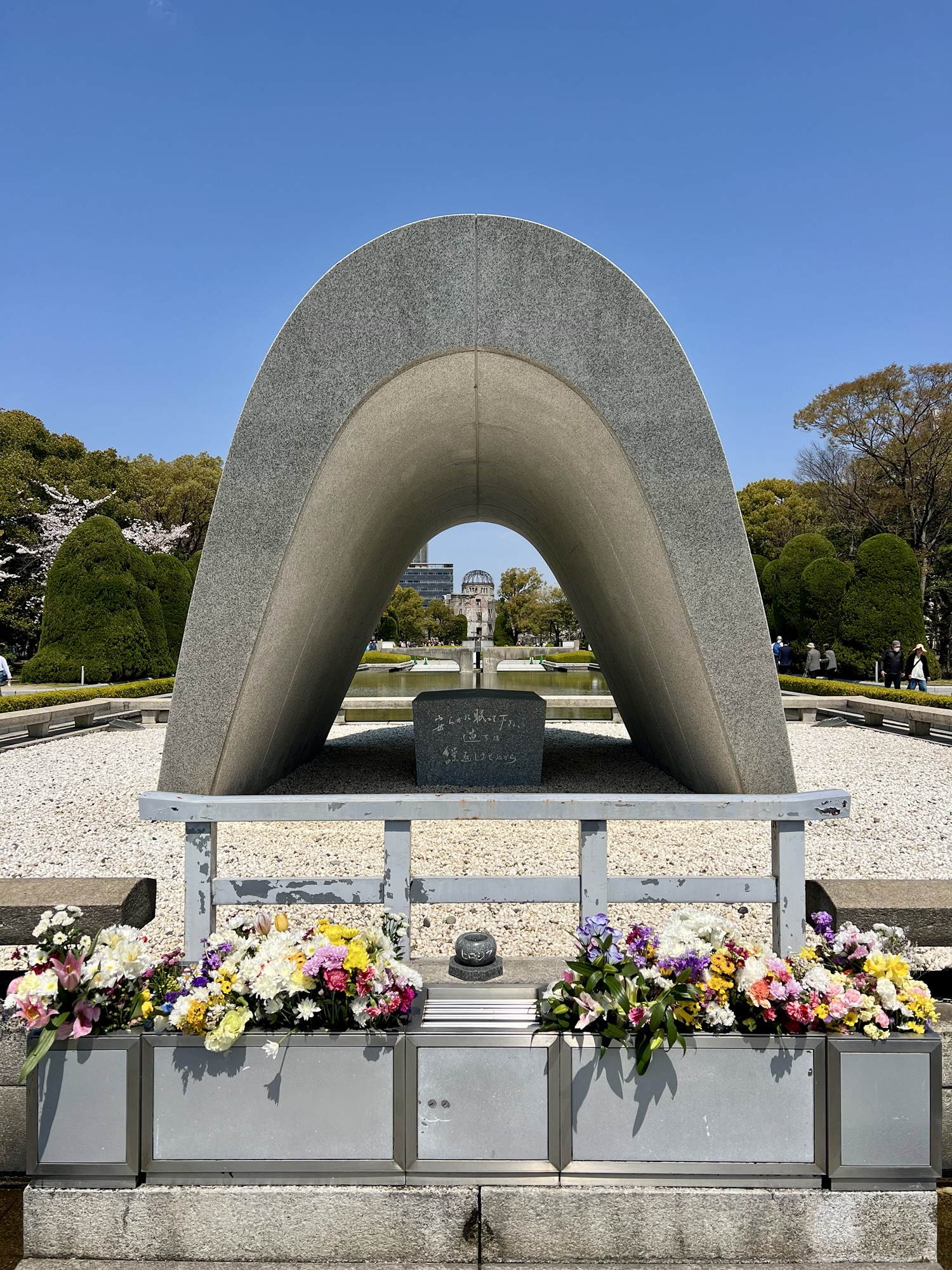
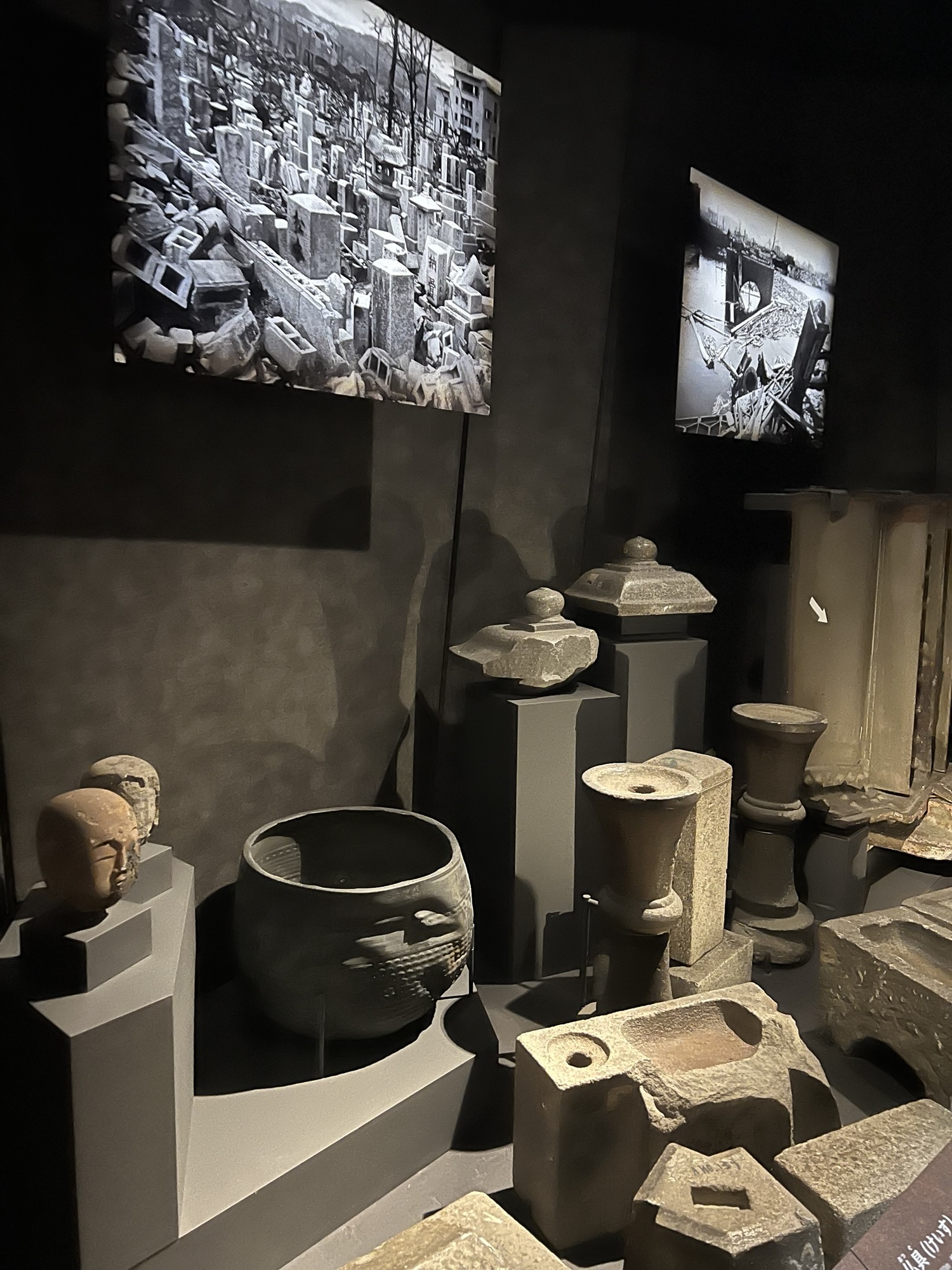
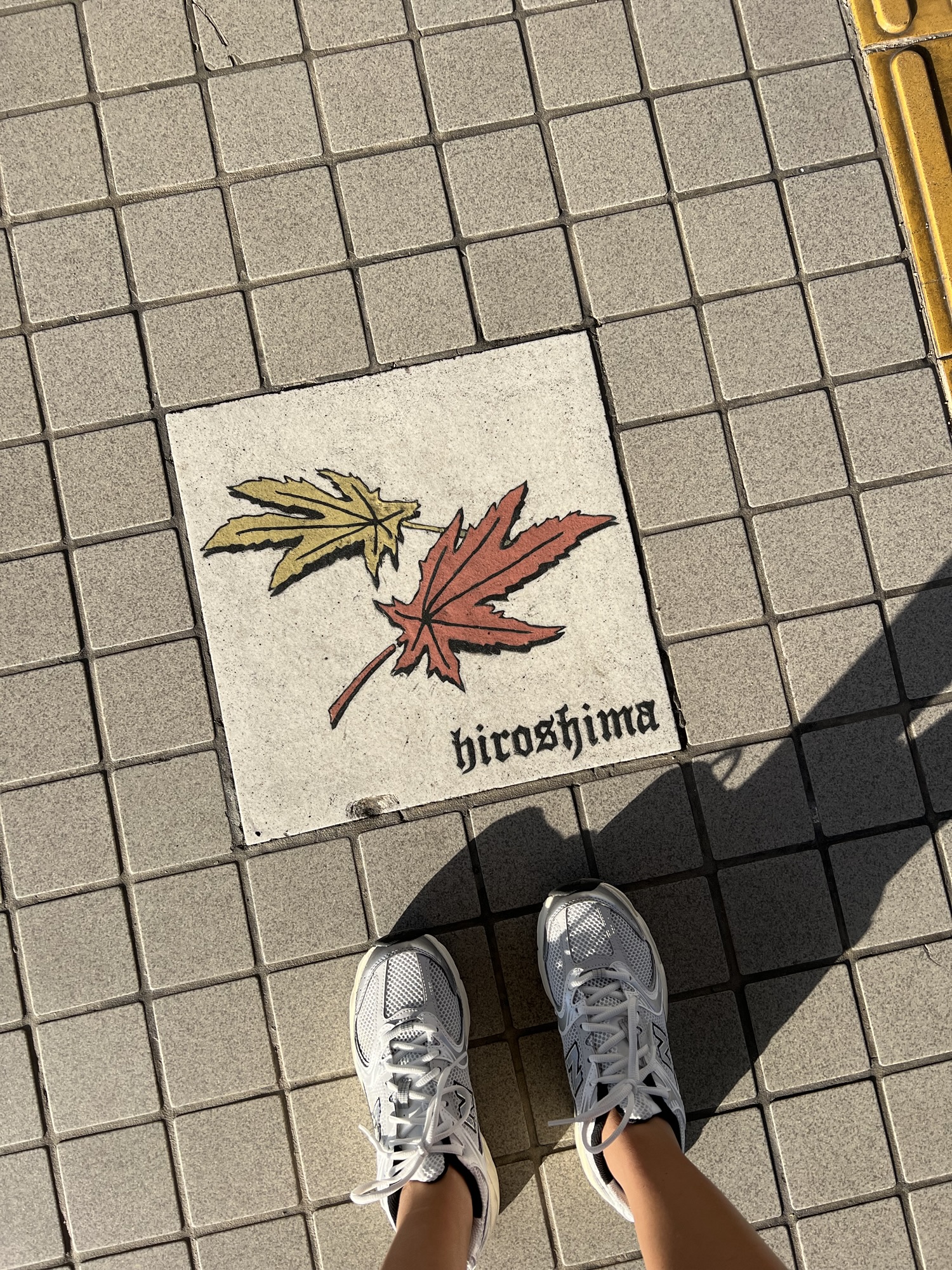
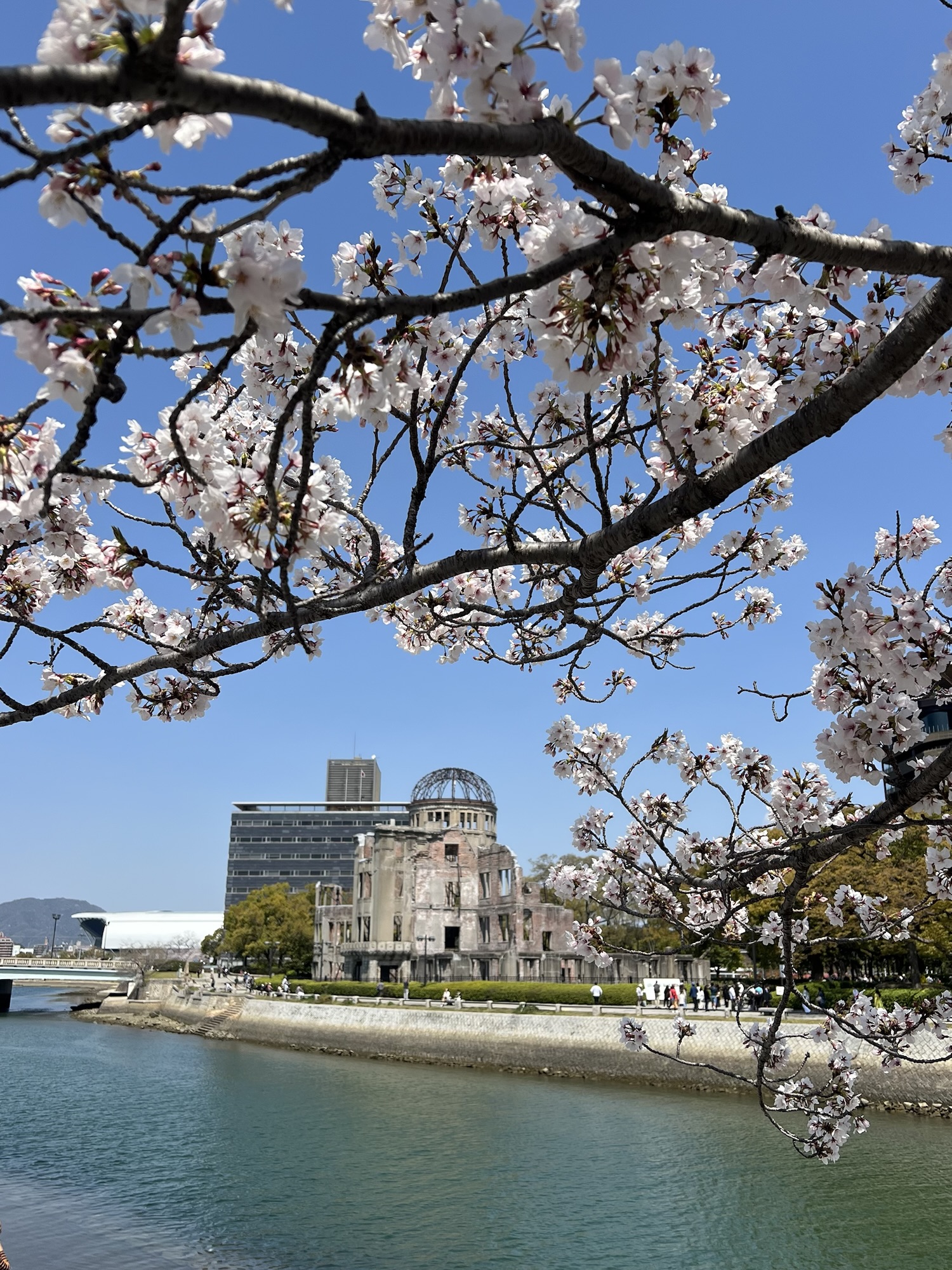
- HIROSHIMA (Chugoku) – the site of where an atomic bomb was dropped, don’t worry the radiation levels have dropped significantly and are not an issue. *see below for a mini collage of our time in Hiroshima!
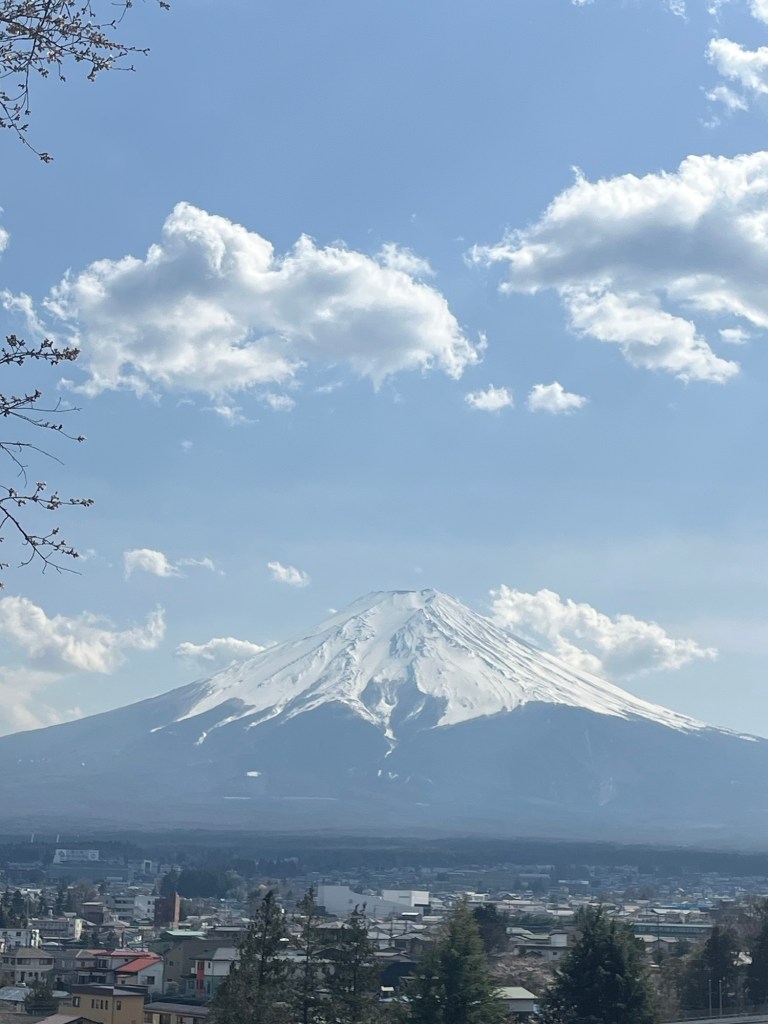
- HAKONE (Kanto) – best area to see Mt. Fuji, and for those views go to Fuji Five Lake (Fujigoko); I’ve heard great things about this area and it’s only 1.5 hours from Tokyo by train! You can also experience a great onsen (hot spring) here.
- NIKKO (Kanto) – home of some of the more gorgeous outdoor hiking and autumnal views, you can check out Shinkyo Bridge, Shoyoen Garden, and Toshogu Shrine. This shrine is the mausoleum of the first Tokugawa shogun, if you’re a history buff!
- KAMAKURA (Kanto) – an hour south of Tokyo, you’ll find more temples and shrines preserved here. There are also pretty incredible sand beaches like Enoshima! A huge buddha statue can be found here as well, which is pretty iconic.
- TAKAYAMA (Tokai) – a small city with a beautiful historic old town, with narrow streets lined with traditional wooden buildings making you feel like you’ve stepped back in time. Pretty much as historic Japan as you can get!
- KANAZAWA (Hokuriku Shinetsu) – often considered “Little Kyoto”, where there are many old samurai homes and you can visit Nomura House, which is restored and open to the public.
- MATSUMOTO (Hokuriku Shinetsu) – home of one of the country’s best-preserved castles, Matsumoto Castle, dates back to 1594. The cherry blossom displays here are famous in the country, and a great place to hike! Check out the ryokens here.




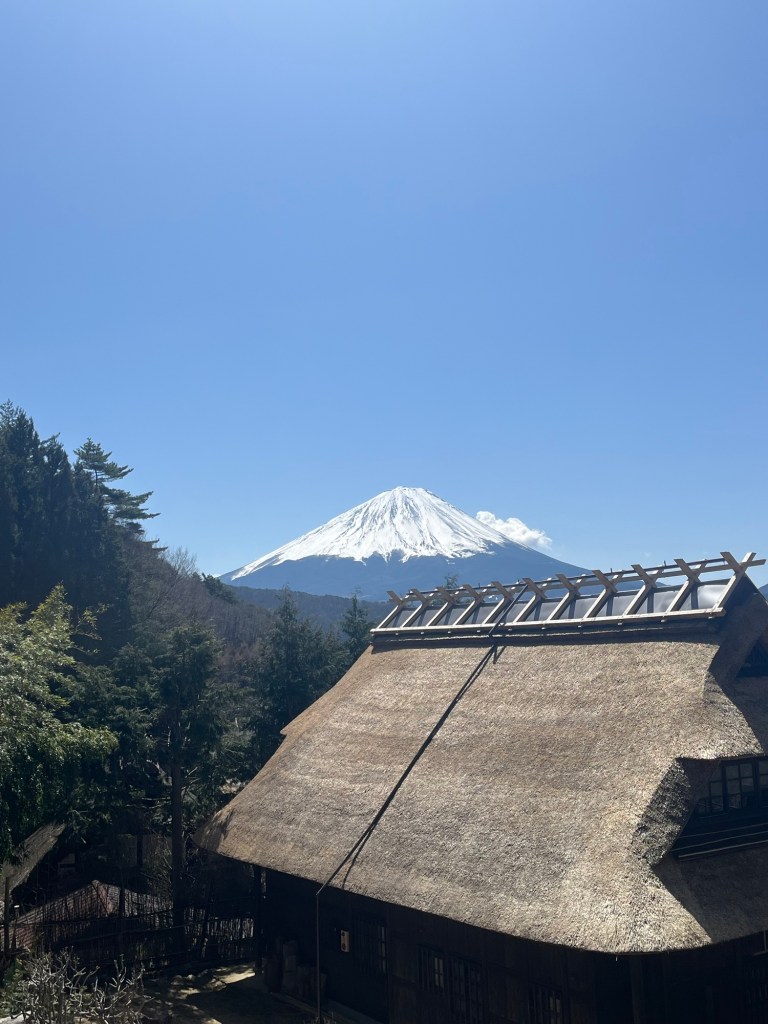
If I could do Japan again, I’d definitely want to revisit Osaka and Tokyo. I’d probably do some day trips to experience Mt. Fuji, and the lesser-known areas of Japan, including Kanazawa, Hakone and Nikko in our itinerary! Fun fact, Mt. Fuji is open for hiking in July and August only – so plan accordingly if you want to do that. However, if you’re looking to get great Mt. Fuji views without doing the full hike, autumn is a good time and try to catch the views on a clear day. We managed to snag this picture below!!
Hope this helps have a better idea on where to visit in Japan, and what to do. I cross referenced and added information from the Travel Japan website I listed in the beginning. There’s hotel recommendations and further excursions you can find on that site! Check it out – xx Lisa
 Aspire Higher
Leave a comment