Japan, oh where do I even start?! I’ve been procrastinating writing this because it’s such an overwhelming undertaking to summarize our 2-week trip.
I’m going to start off by saying, we visited during the small window of peak cherry blossom season, so tourist numbers were at an all-time high, not to mention 2025 has seen the most travel to Japan in years. It did feel like we saw more foreigners than Japanese throughout our travels. However, it’s also worth mentioning we did not venture to the lesser-known areas of Japan, staying mainly in the bustling cities of Tokyo, Kyoto and Osaka.
BEST TIME TO VISIT JAPAN
Seeing the cherry blossoms were a bucket list item of my dreams! Usually in March-April sometime, the trees can be seen in full bloom for only 6 days (small window of time indeed). Not to mention, it’s a guessing game of when that exact window is. We managed to catch them in full bloom halfway through our trip. The good news is that the trees can be found in most cities, so you’ll know when they’re in full bloom, because you can’t miss them! The country was alive with cherry blossom themed foods, scents and events, which was so special.
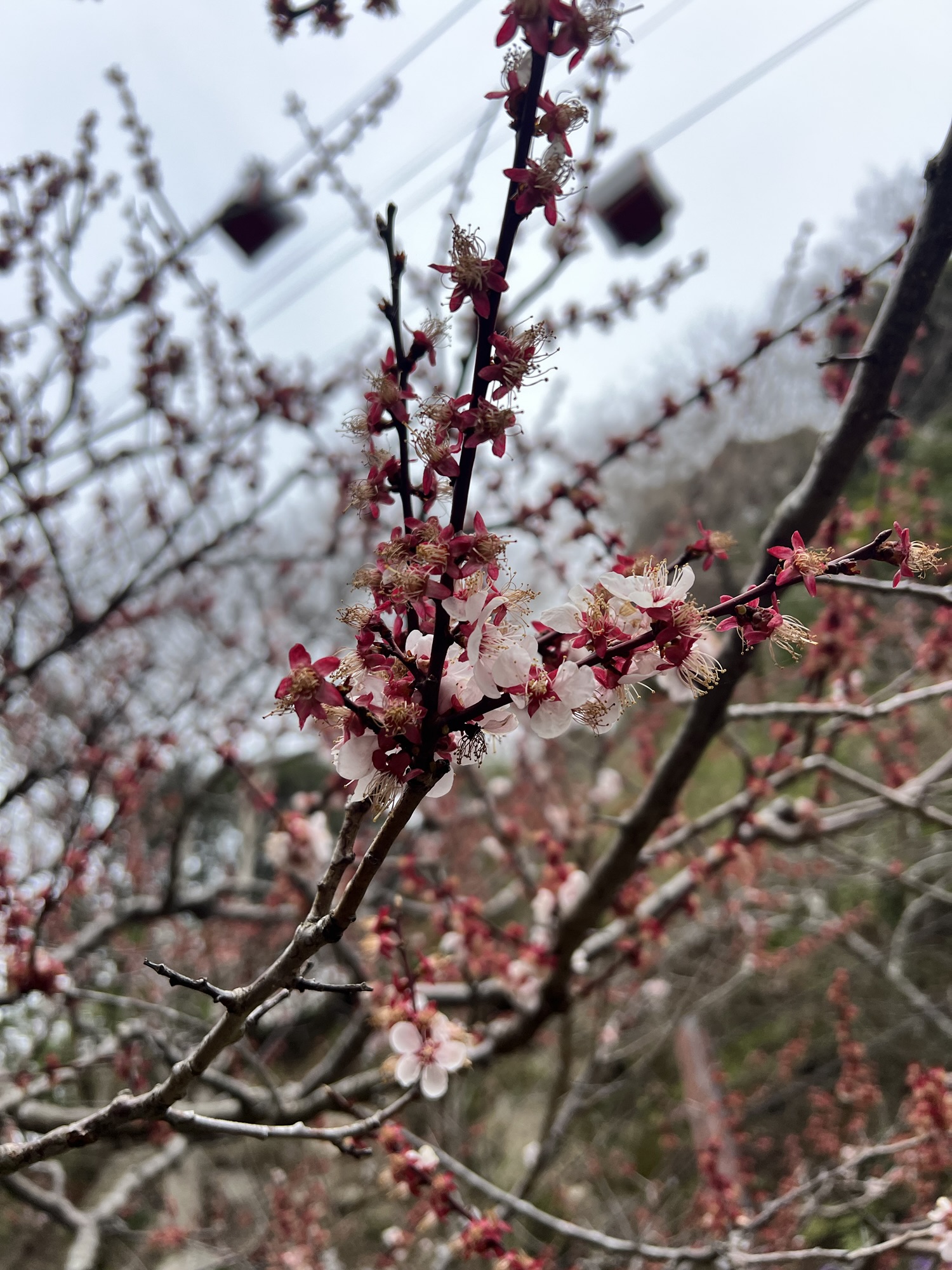
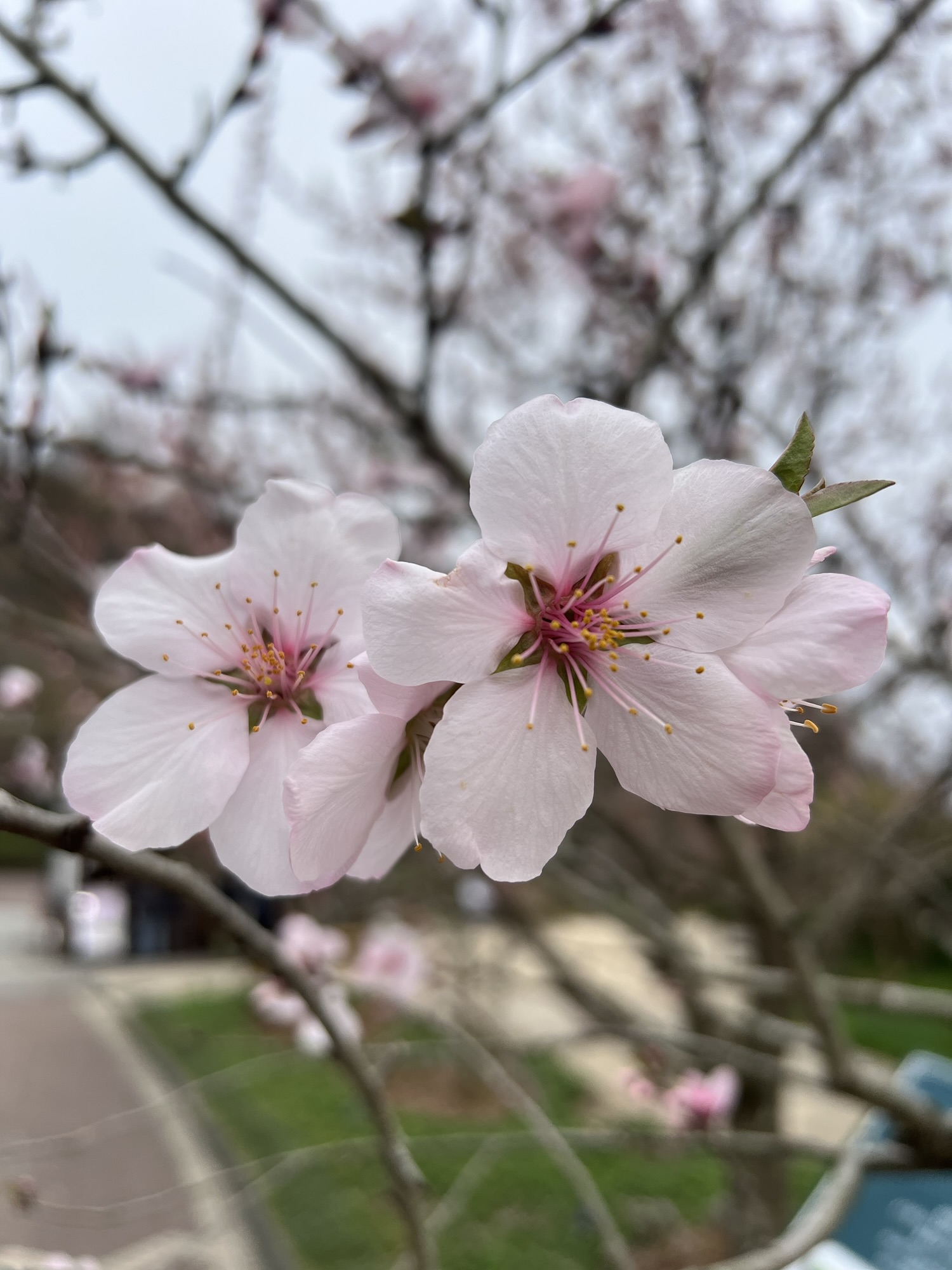
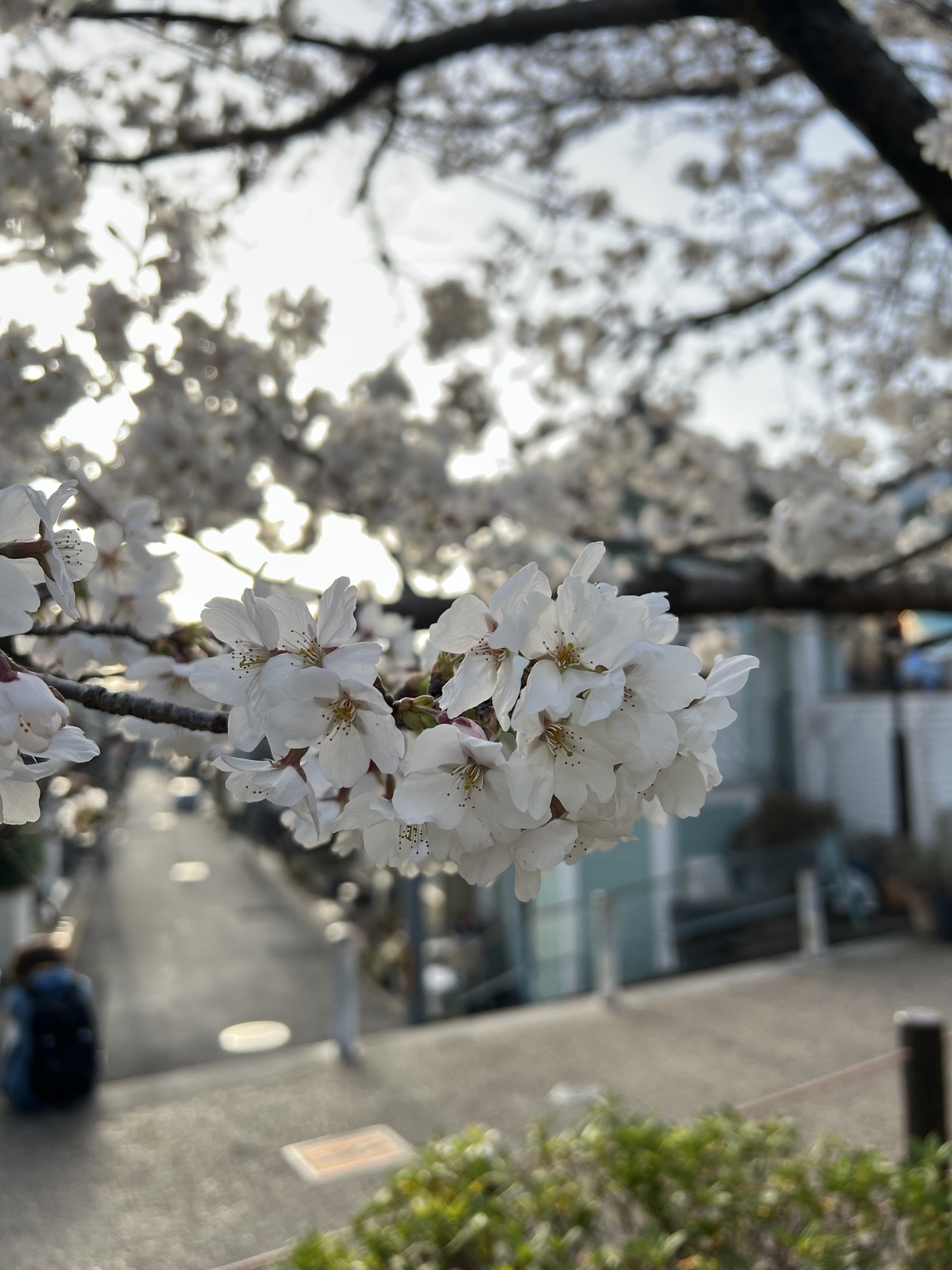
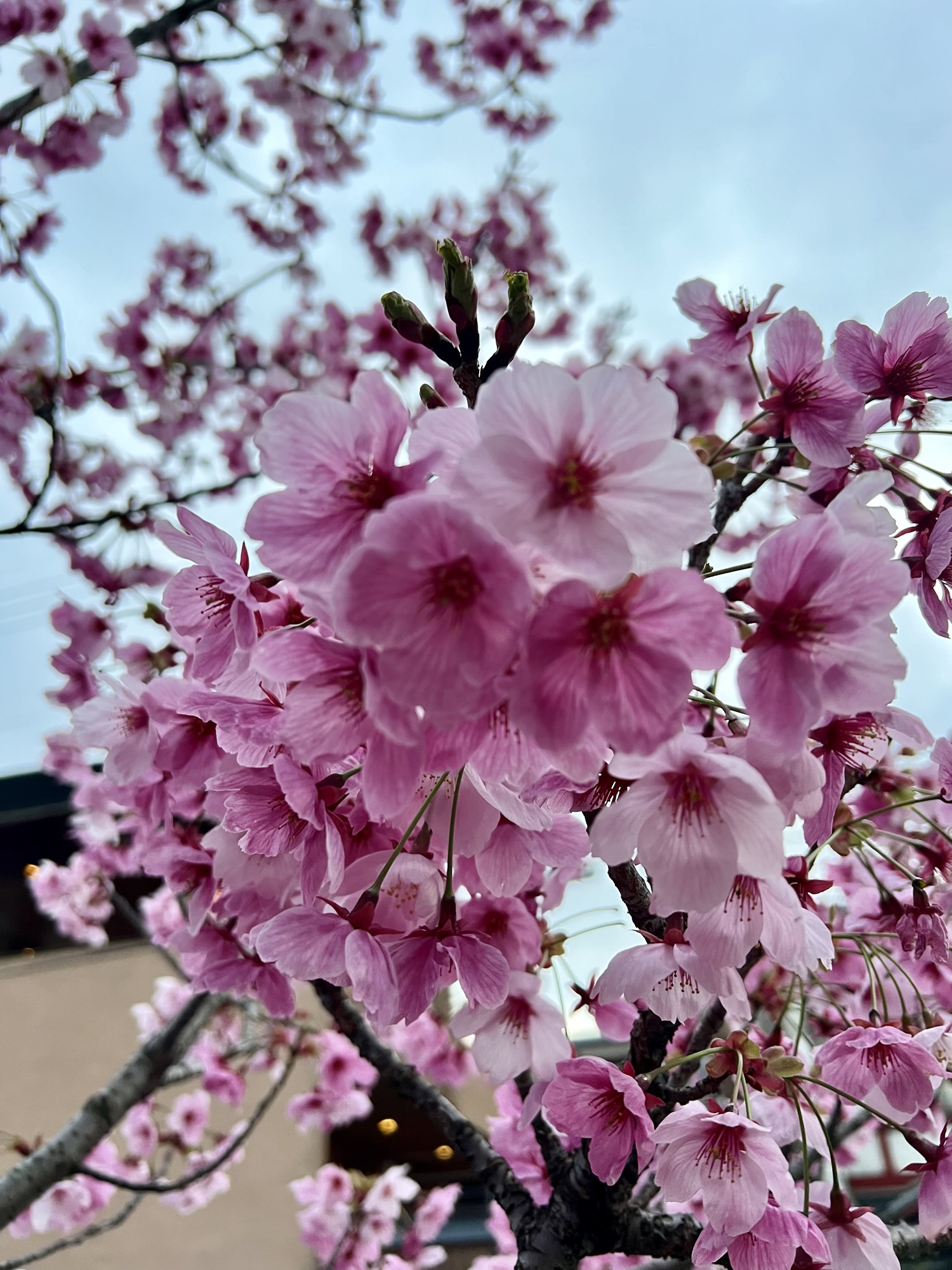
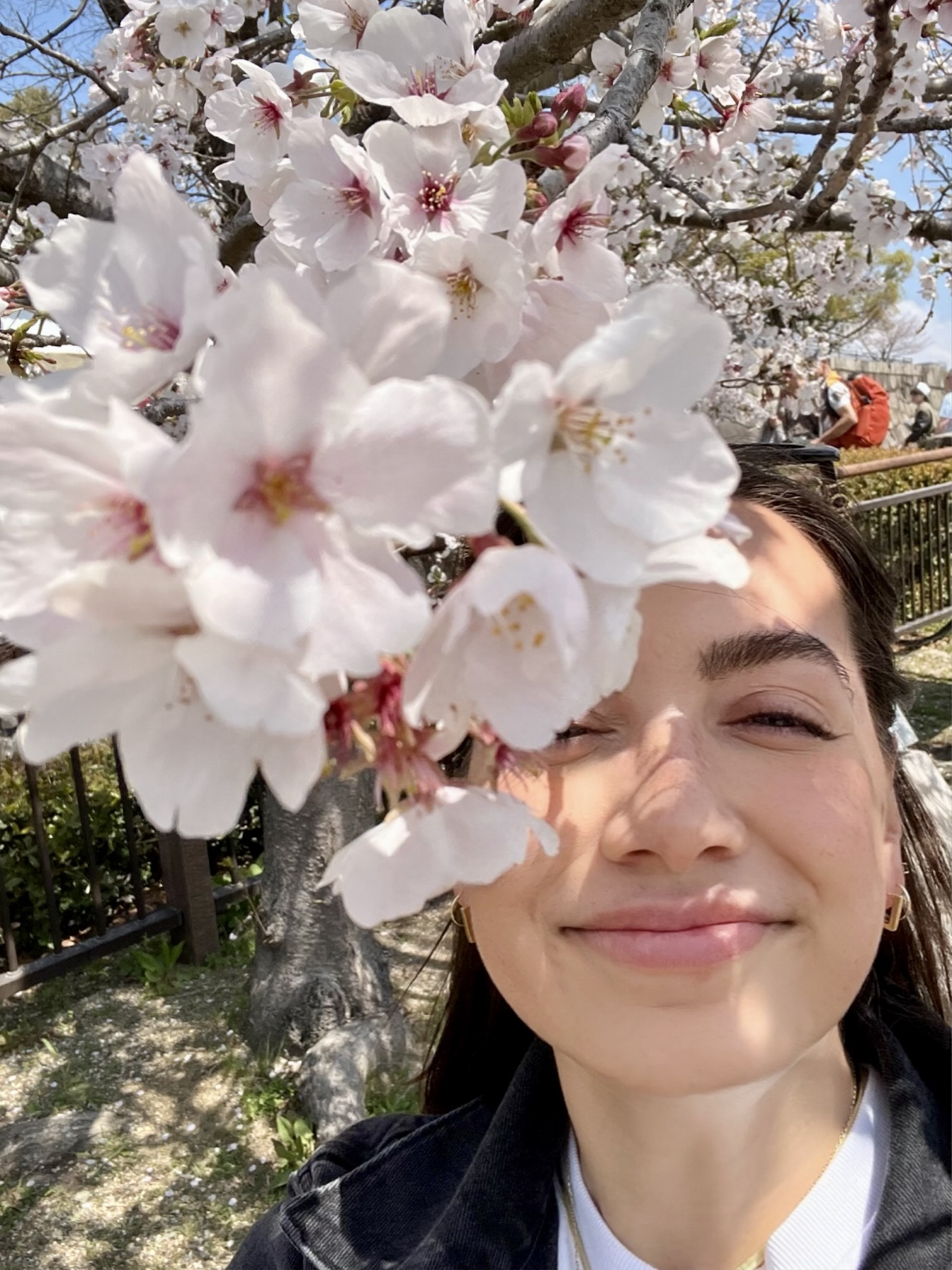
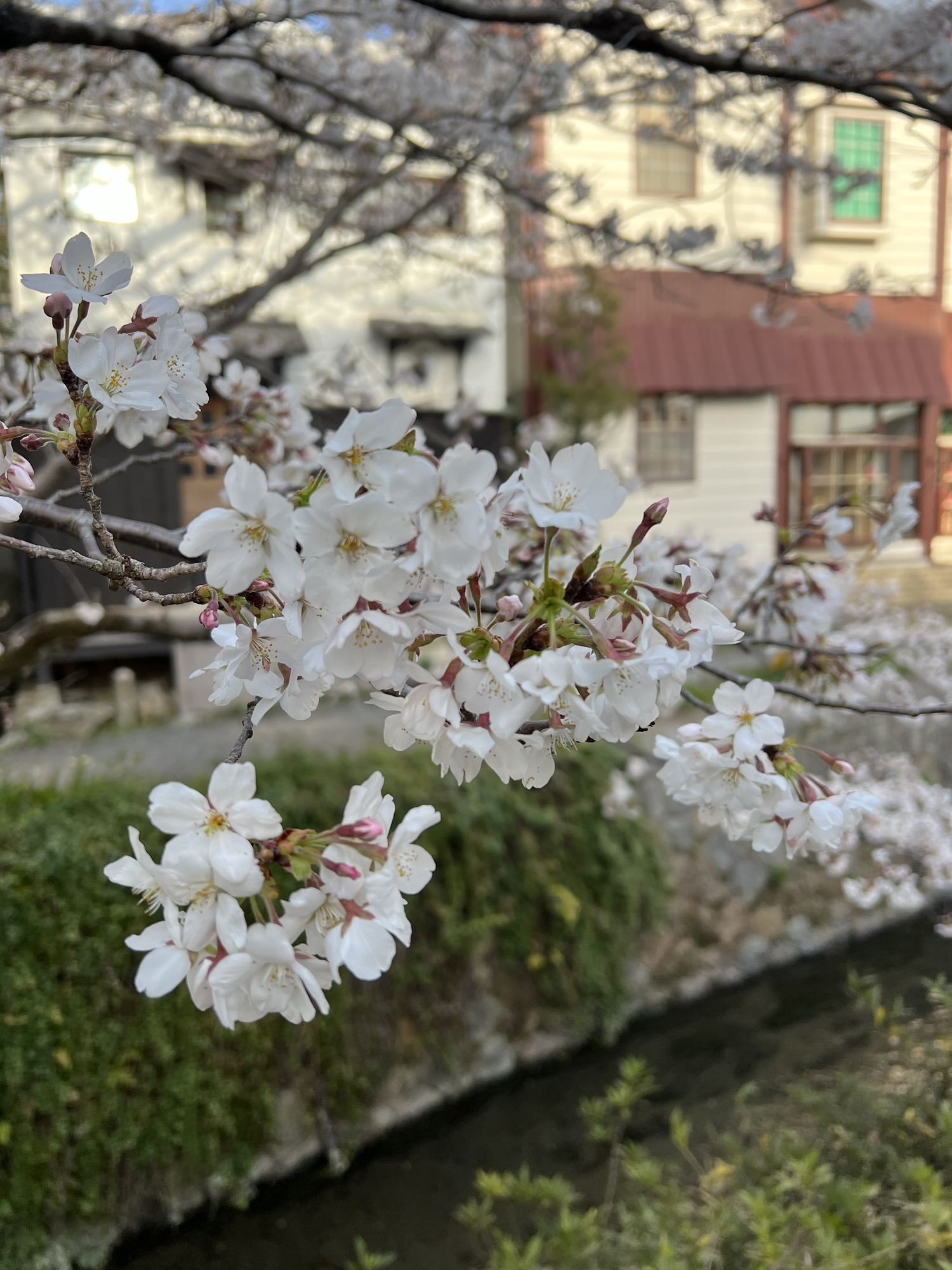
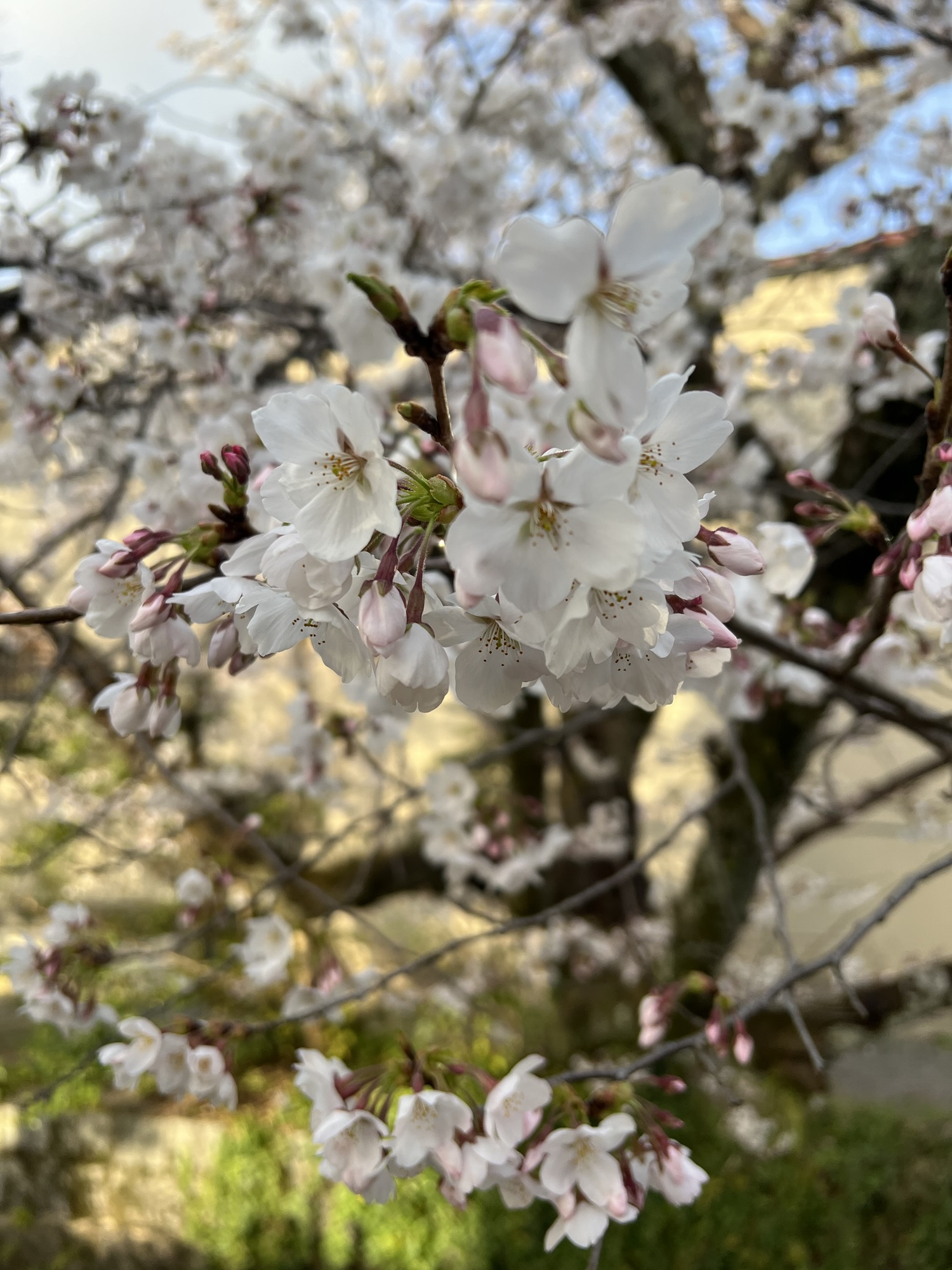
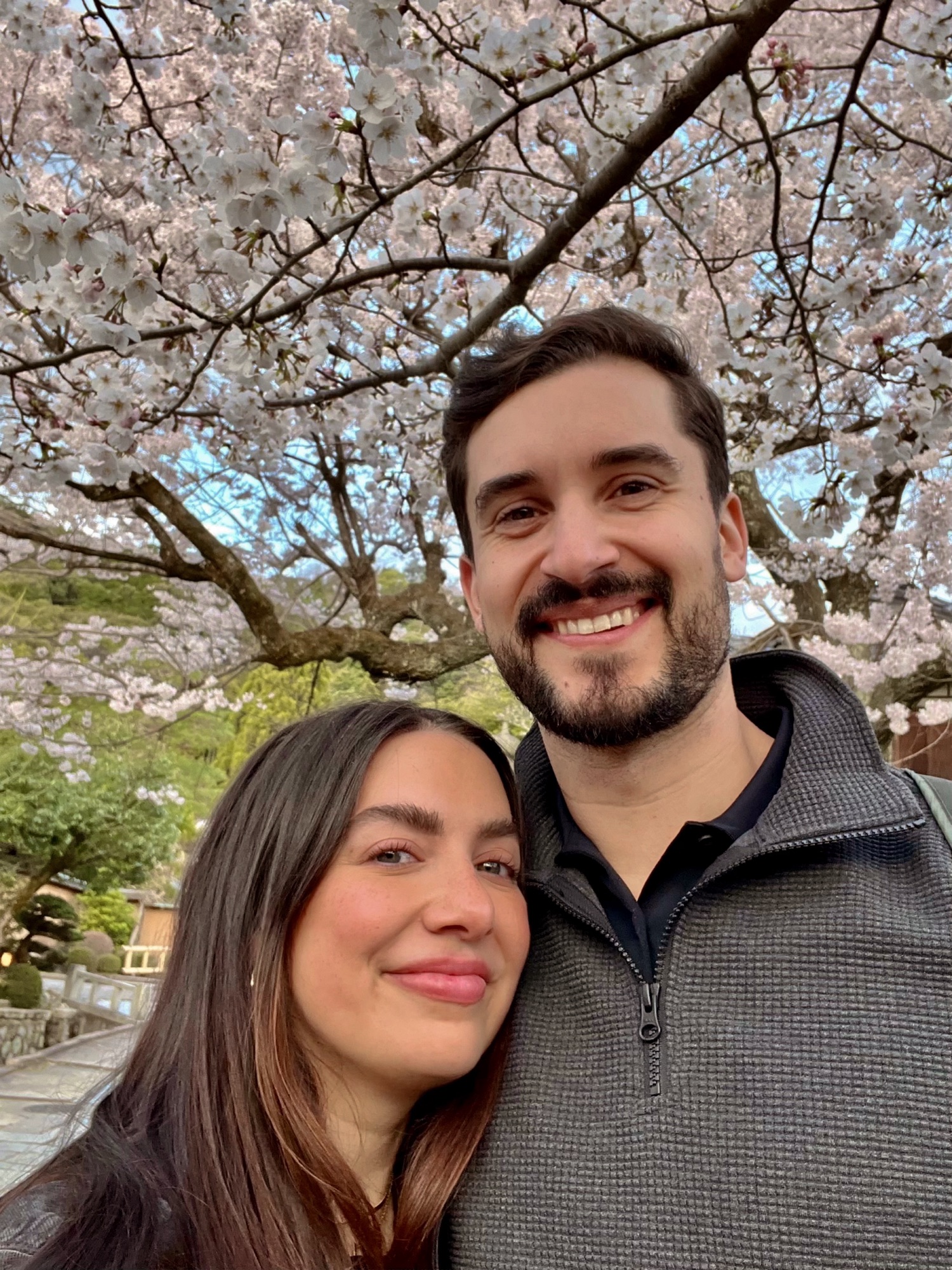
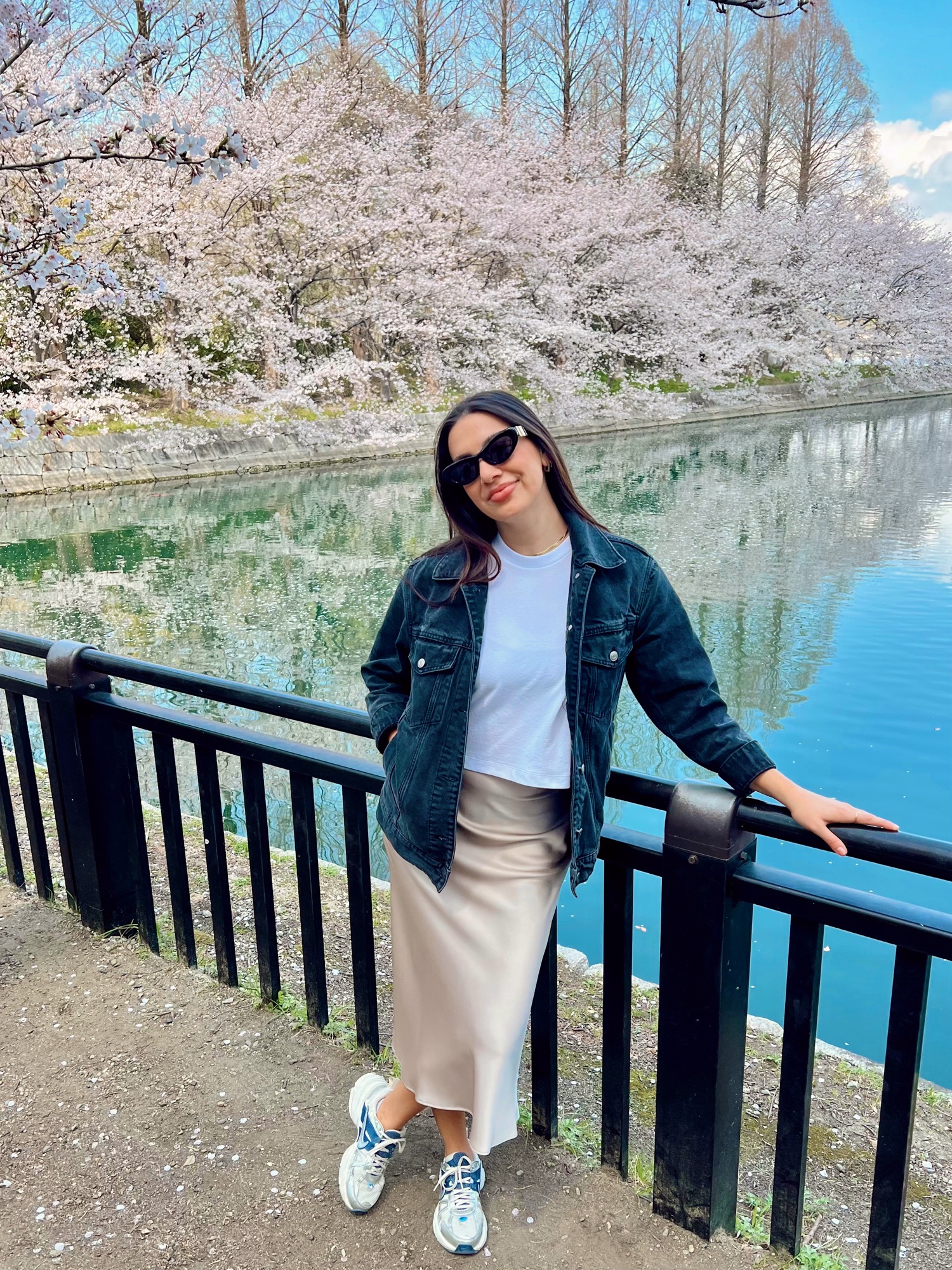
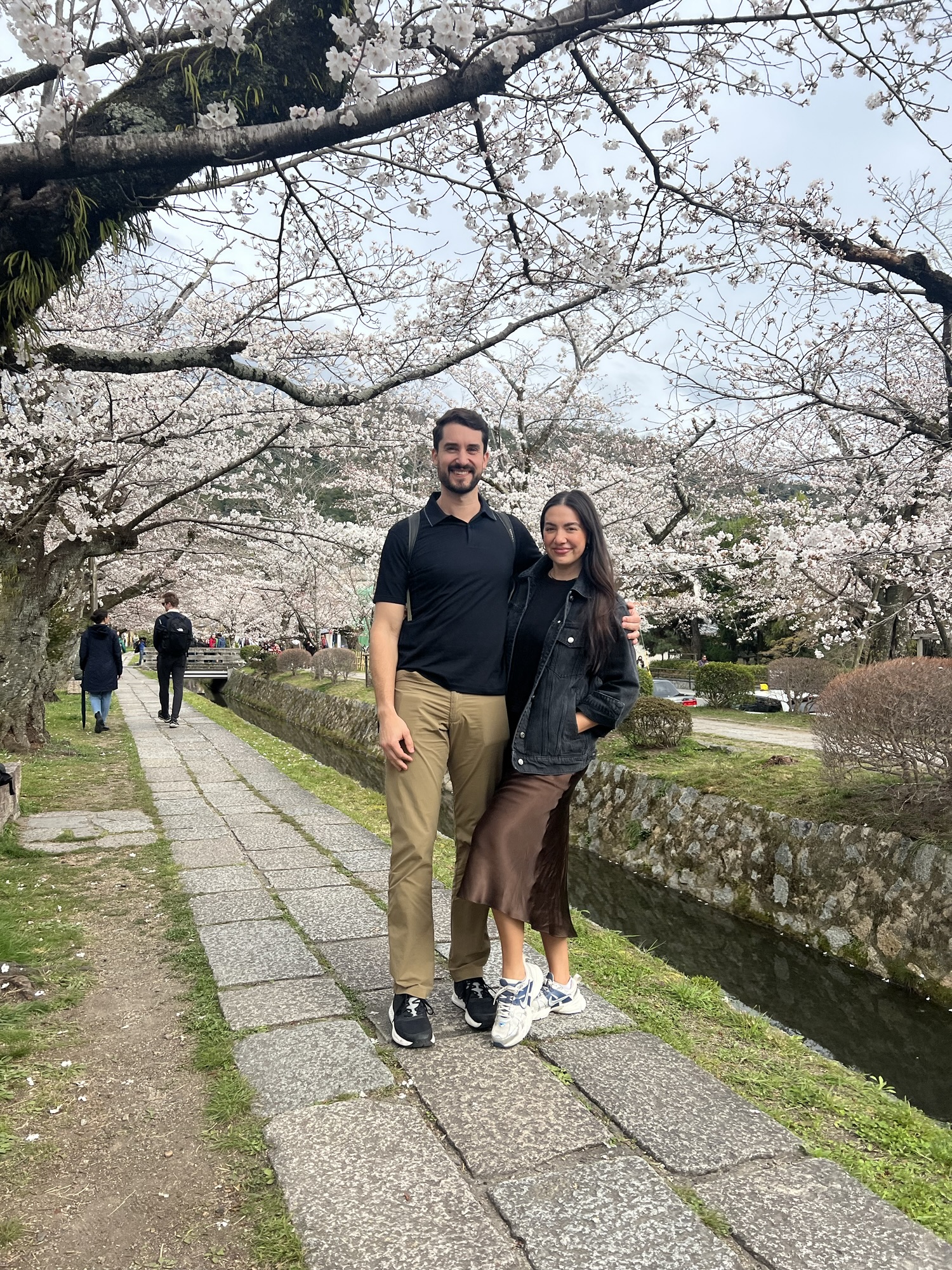
Mid-March you’ll catch trees starting to bloom, while into late April and early May the petals will be falling in the wind because they’re so delicate. This is why the season is so short!
Generally, going by the weather, June to August is the worst time due to temperatures rising to 41°C (106°F), with the average high being 31°C (88°F). Not to mention, during this time there might be increased rain in Kyoto and Osaka. The peak tourist season is March to May, obviously because of the cherry blossoms, but also the weather ranges from 20°C (70°F) and lows around 5°C (40°F). We experienced this whole range of temperatures, which made packing challenging but more on that later 🙂
To be honest, I think traveling in the autumn from September to November would be the best! Temperatures range from 20°C to 25°C (68°F to 77°F), decreasing to highs of 14°C to 18°C (57°F to 64°F) by November. I prefer this weather over the chillier and rainy days we experienced in late March. This timing is probably the second-busiest time to visit Japan, behind cherry blossom season, but picking days either in September or November could help minimize number of tourists.
TRAVEL STRATEGIES
My General Do’s and Don’ts
- Don’t bother with a Japan Rail Pass (unless you do the math and you’re saving on several day trips) – the prices have since gone up, and we didn’t take many day trips during our stay. We bought one, and actually didn’t save money because of this. If you’re taking the shinkansen (bullet train), just show up to the station and pay/reserve your seats for the next train leaving.
- You will need to buy a daily train pass to get around within the city, but this is also easy to obtain at the station day-of.
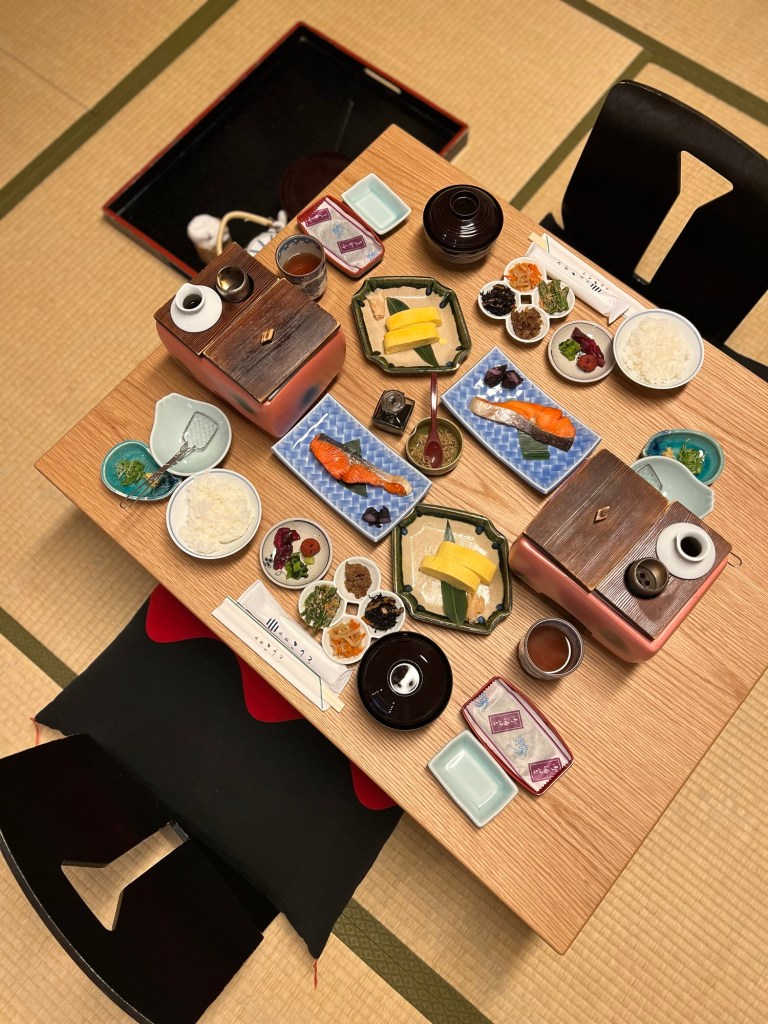
- Pre-book your hotel/stay/ryoken accommodations LONG in advance. A ryoken is a traditional Japanese hotel, where you’re sleeping on a futon on the floor, as well as sharing a bathroom/washroom with other hotel guests. Some offer onsens (hot springs) and most have tatami mats covering the floors (careful with your suitcase wheels to not destroy them!). If you’re into a traditional experience, with a traditional included Japanese breakfast, highly recommend!
- The affordable accommodations fill up fast, and in line with the respect aspect of their culture, Japanese like to be prepared for your arrival. Aim for 3 months to a year in advance depending on how specific of an experience you want.
- Utilize luggage shipping. This takes some planning in advance, but it helps with your city-to-city transport SO MUCH. For a small fee, companies can ship your luggage to your next hotel. Not to mention, if you have a checked-bag size luggage, you are REQUIRED to reserve your luggage a spot on shinkansen trains. For me, the hassle of lugging your oversized bag around up and down stairs (some train stations do NOT have escalators), made this option worthwhile. Check out Yamato for the most flexible option. JAL/ABC are the cheapest but might need more time to deliver. You can find booths at Haneda Airport, as well as have your hotel front desk help you! Communicate with the front desk of your hotel early to know what service they use, and timing. The shipping forms are in Japanese, so have Google Translate app ready (there are also helpful employees there!).
- Keep in mind you need to ask and coordinate delivery dates. Some shipping companies take 24 hours, while others take 48 hours. Airports require specific companies (we used Airporter – found at the JAL/ABC counter) and need 2 days before your flight (sometimes 3). Overall, a truly safe and reliable option to move your things around in a compact city!
- Always have cash on hand. Generally, the country is cash-forward, but most accept cashless pay. The best restaurants are sometimes cash only. 7-11 ATMs usually are the most reliable no-fee option for international cards. Additionally, when you pay in cash, be sure to put the cash in the cash tray provided, rather than directly hand the cash to the cashier. A little cultural respect, and they’ll deposit the change on the tray as well.
- Download a few apps to make your travels easier. These will truly save time. Suica card to contactless pay for train rides (scan just as you would in New York for the subway). It can also be used to pay for vending machines around the city. Payke helps you navigate gas stations, cosmetic shops and Don Quijote. You can scan a barcode of a product, and it will tell you what the product is used for, the rating and ranking against other similar products. Japan Travel (Navitime) is useful if you have the Japan Rail Pass or another specific pass, as it will show you travel routes to best utilize that pass. You can use this to look up train times as well, if you pay for the premium subscription. Lastly, Go Taxi was super useful for times you want to grab a car and not deal with public transportation.
- PACK LIGHT. Seriously. We brought 2 empty suitcases and found so much fun stuff shopping around that having the extra space was worth it. I didn’t bring many toiletries because I knew Japanese and Korean skincare would be available hehe 🙂
- Check the best subway exit for your destination before you board the metro when taking public transportation. This will really help as the Shinjuku and Shibuya train stations especially are complex and underground, thus making it challenging. Follow the signs!
- Reserve a portable WiFi hotspot in advance. This was amazing – you can check out a WiFi hotspot, use it during your stay, then return it at the airport. We used NINJA, but we booked it through a booth at a terminal we did not arrive or depart out of. Not too inconvenient but check which terminal you are departing and arriving to, then book it there for simplicity’s sake.
- Book a few experiences early if you are interested (ranging 1 to 4 months in advance):
- Harry Potter Studio Tour
- Ghibli Park, Nagoya (and Museum)
- Teamlab Planets, Tokyo
- Saihoji (Moss Temple), Kyoto
- Universal Studios Japan Express Passes
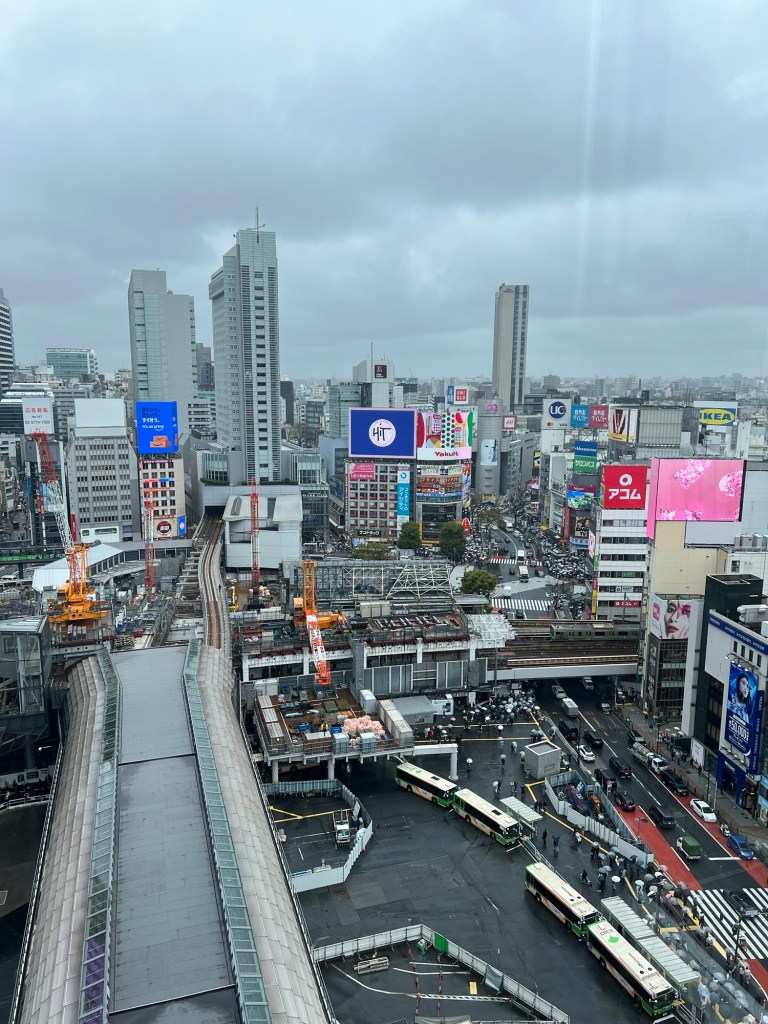
- Shibuya Sky, Tokyo – to see Shibuya Crossing from above
- Tea Ceremonies in Kyoto, like the Sakurai Tea Experience
- Tokyo DisneySea and Disneyland tickets
- Japan Rail Pass
- Some other tours and restaurants
- Go to a sumo wrestling match! You can even watch practices for a more low-key and less performative experience.
GENERAL ETIQUETTE
This section is REALLY important to me. I witness so many foreigners be completely unaware of how disrespectful they were being – and honestly this just broke my heart. Check this website for the basics, and below are my tips!
- PATIENCE. It’s shocking how little patience people have these days. Japanese people take pride in the journey and process, all the way down to wrapping your purchase in tissue paper. Show some respect and don’t rush the process!
- Show some respect, and respect for order. Maybe I should’ve put this one first! Japanese have lines and methods for filing in and out of trains, as well as waiting until an employee shows you to your table at a restaurant. It irritated me to see foreigners disrespecting the staff by sitting at whatever table or bar seat they wanted, rather than waiting to be shown to a spot.
- Managing your own personal belongings. Others are not responsible for your things, only you. Restaurants will provide baskets to ensure you have space for your purse/backpack, and don’t have to put it on the floor! Additionally, if traveling in a train and wearing a backpack, switch it to be on your chest, or between your legs on the floor. People pack in tight on the train and it’s rude to bump people with your belongings!
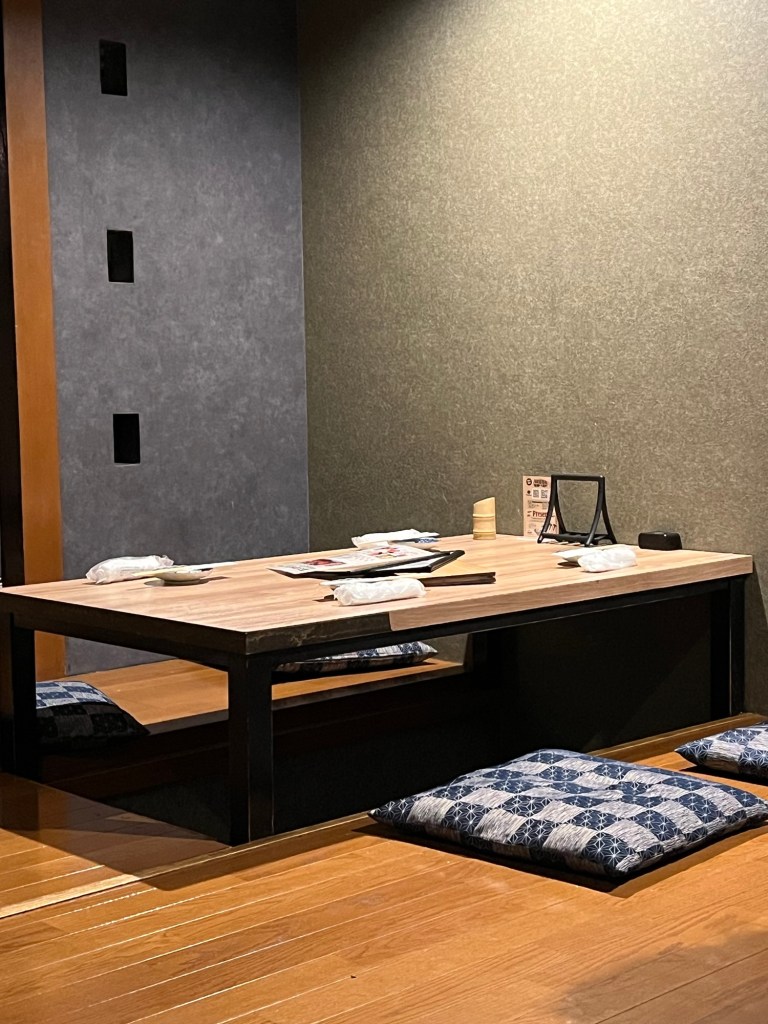
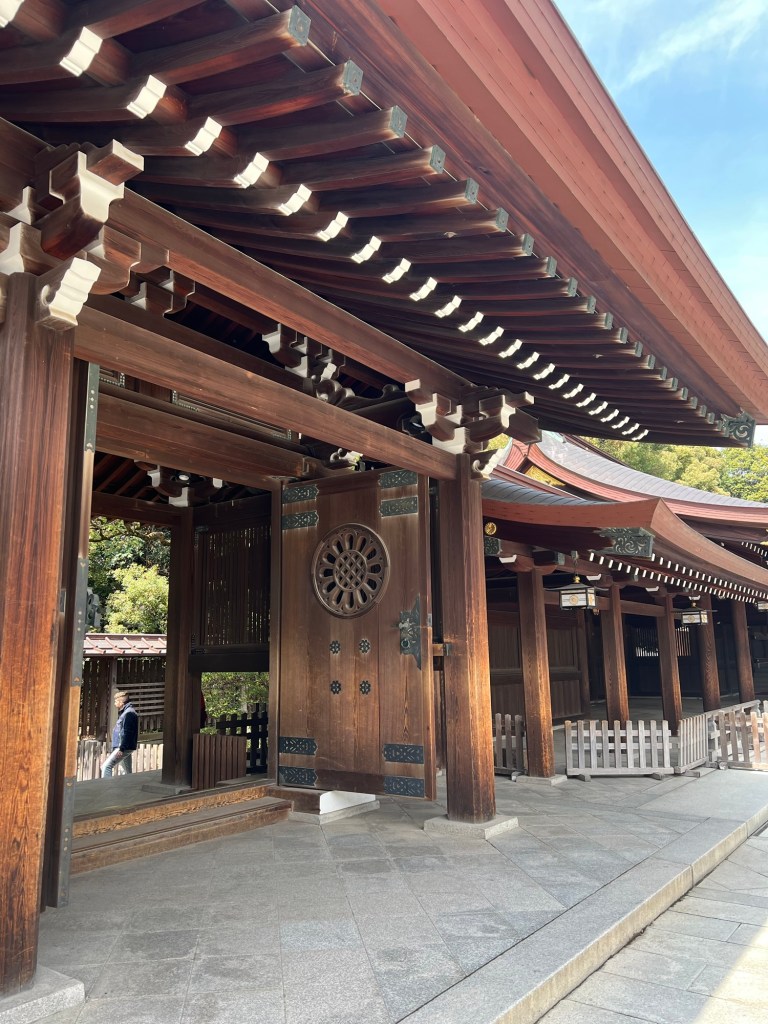
- Take care of your appearance. This especially applies to your socks! Japanese don’t like bare feet, and you are expected to remove your shoes in some circumstances. Come prepared with easy on/off shoes and clean socks! All shrines/temples need to be respected as well – dressing conservatively helps.
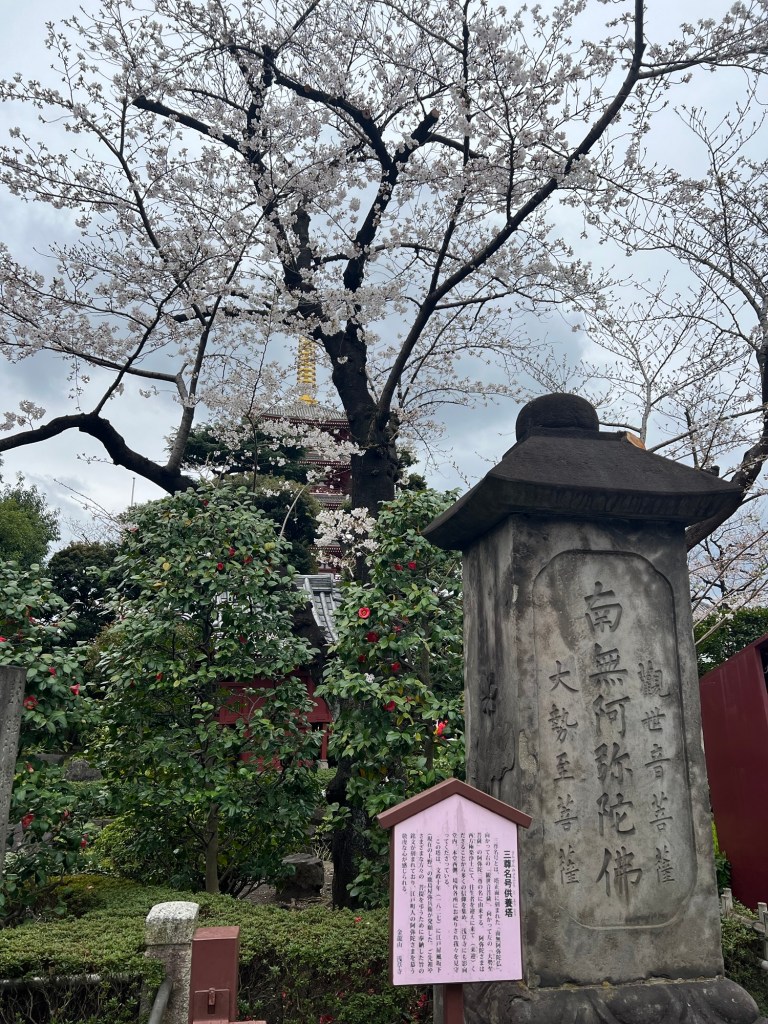
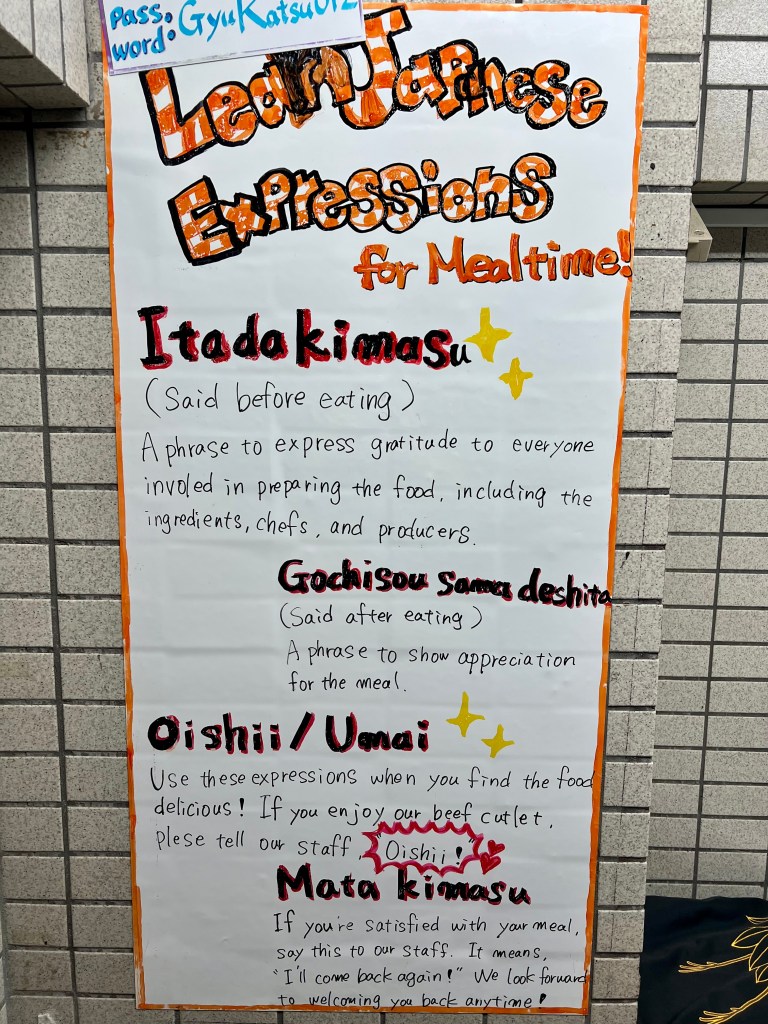
- Learn some Japanese! See below for a pic of a few words. In my travels, I’ve learned how appreciative the locals are if you try to speak the language in small respectful ways.
- Bow if you are being bowed to. No need to excessively do this but be aware of not turning your back upon exiting!
- Silence on public transport.
- Carry a small trash bag (we brought bags from grocery stores and gas stations) and hand towel on your person. There aren’t that many public trash cans, and you’re expected to hang onto your trash! Because of the lack of trash bins, restrooms also rarely have paper towels or hand dryers. Having the small hand towel helps and minimizes the rudeness of shaking your hands dry!
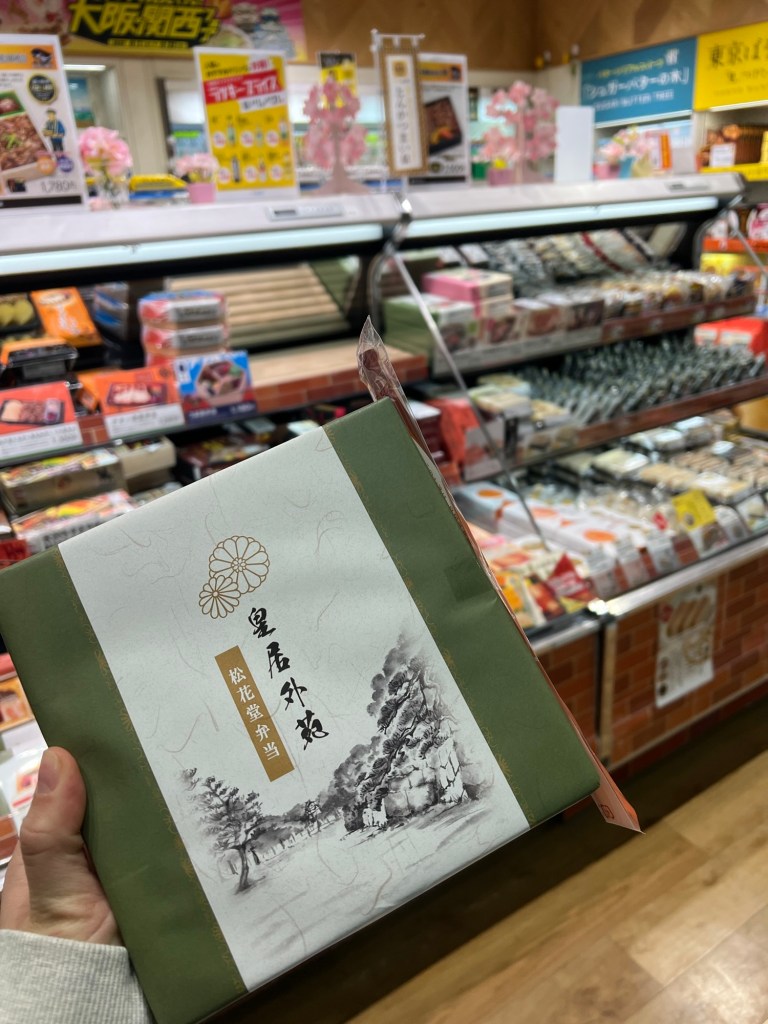
- Walking and eating is frowned upon, especially in public transit (water is the exception generally). Some gas stations will have designated seating areas where you can take a moment with your meal/snack, then carry on with your day. A few locals got irritated at us for eating outside on the street! Avoid loitering at the front of gas stations and eating.
- This is when I wished I planned out our meals better. You CAN find great restaurants walking around, but having an idea of where you’re eating, restaurant hours, and timing will help tremendously. Not all restaurants are open all the time, and in fact, most stores/restaurants don’t even open until 10 AM local time.
- DON’T leave a tip or count your change. Just rude.
- Ask people and restaurants before you take pictures of them/food. Sometimes the things locals do is inspiring and different from your own culture, and you want to document. BUT I was told in a restaurant to not take pictures (even of the food)! Respect the people’s desire to be or not be photographed, as well as the restaurant’s space. Just be aware of signage too!
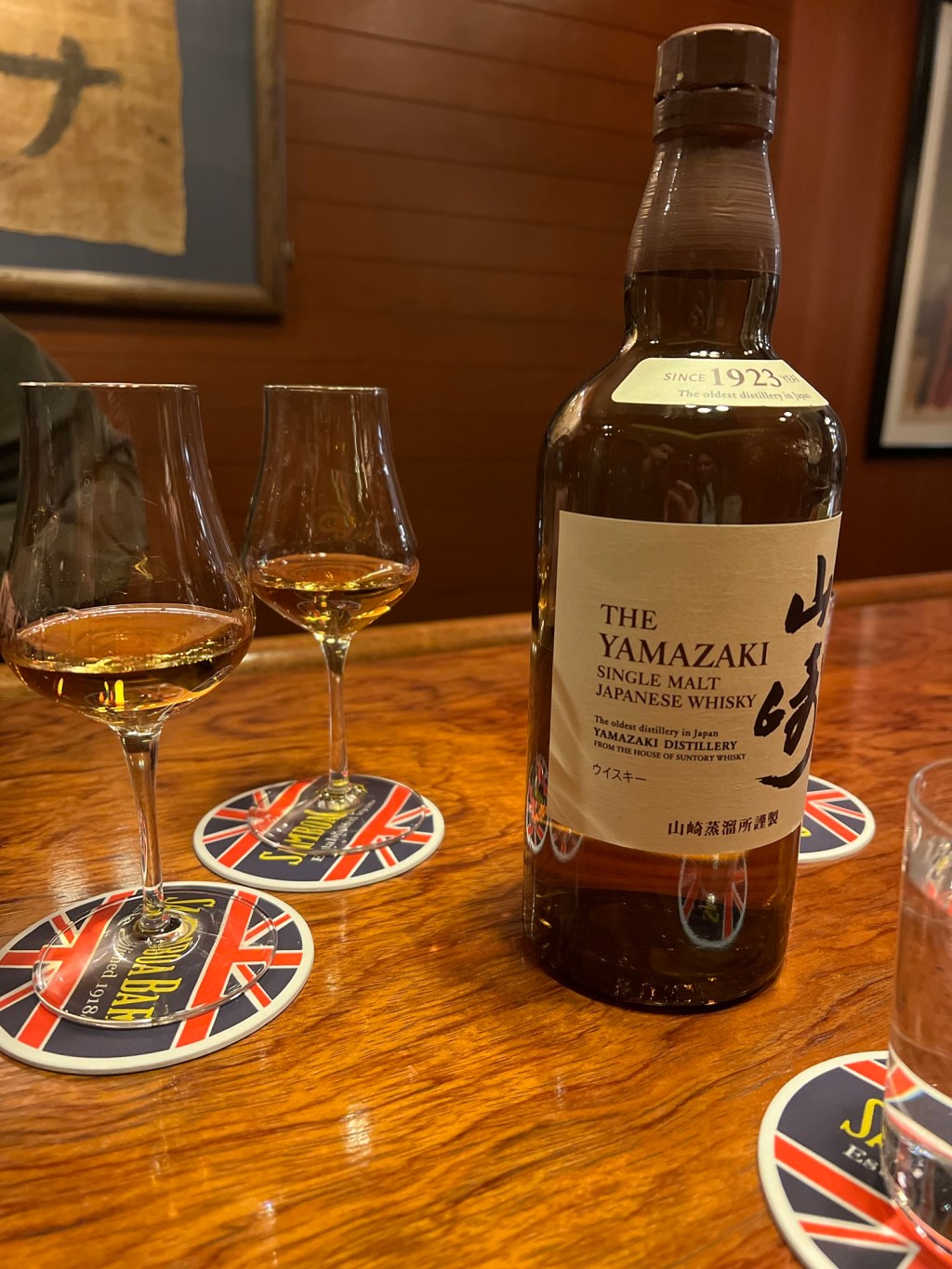
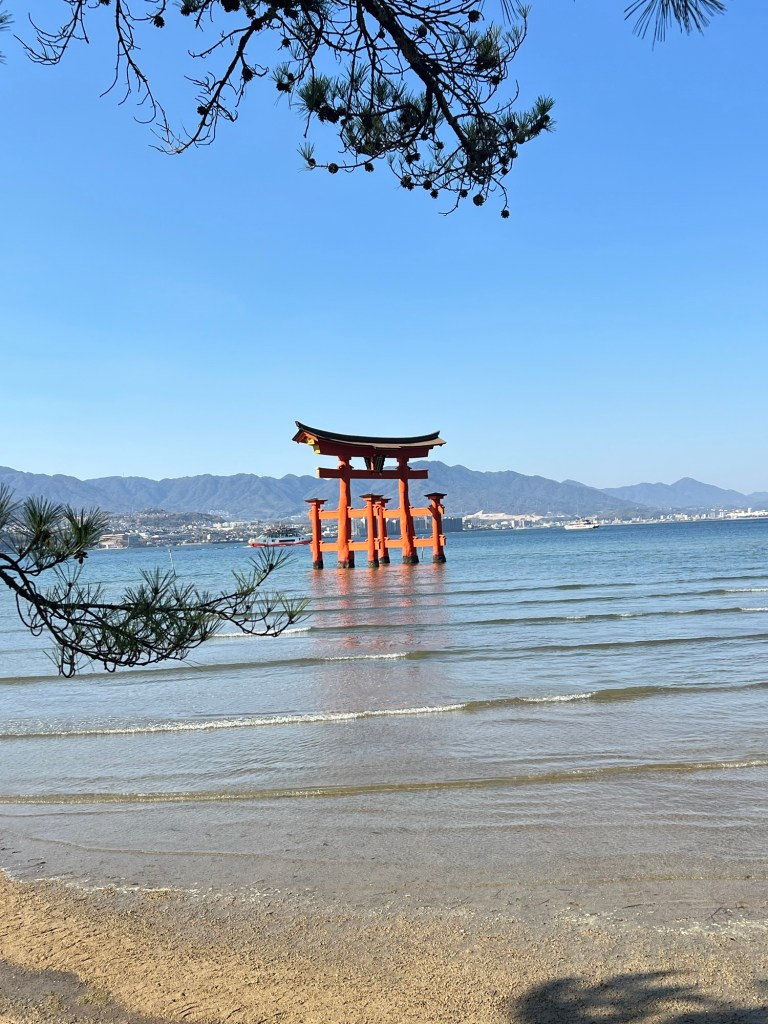
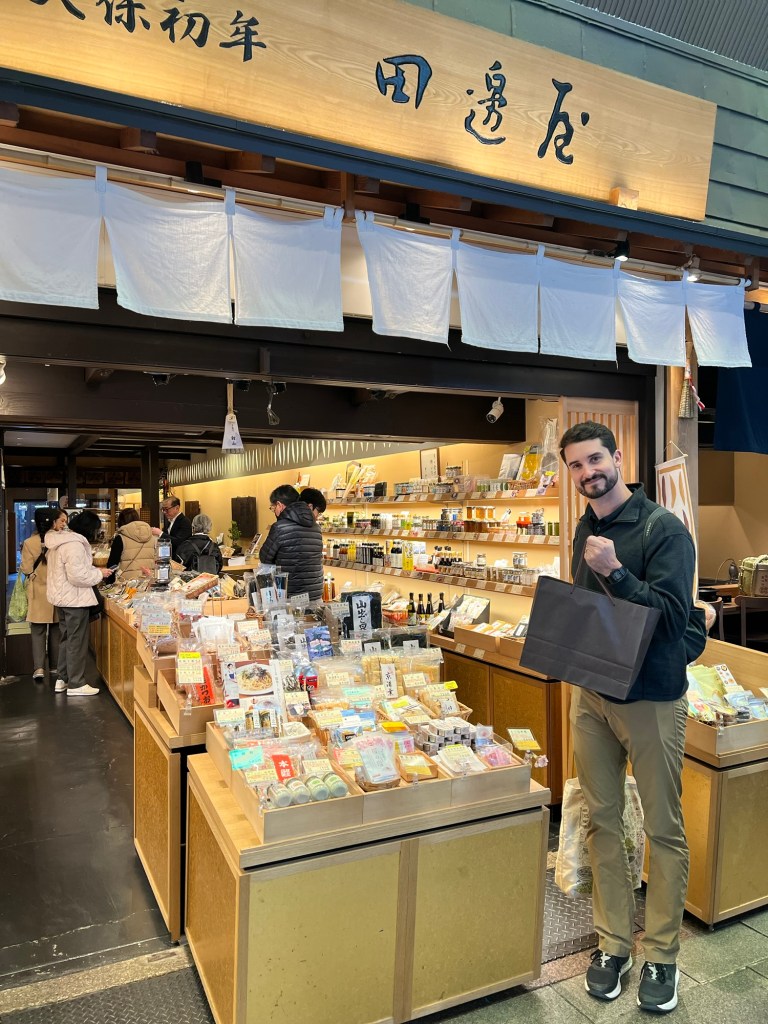
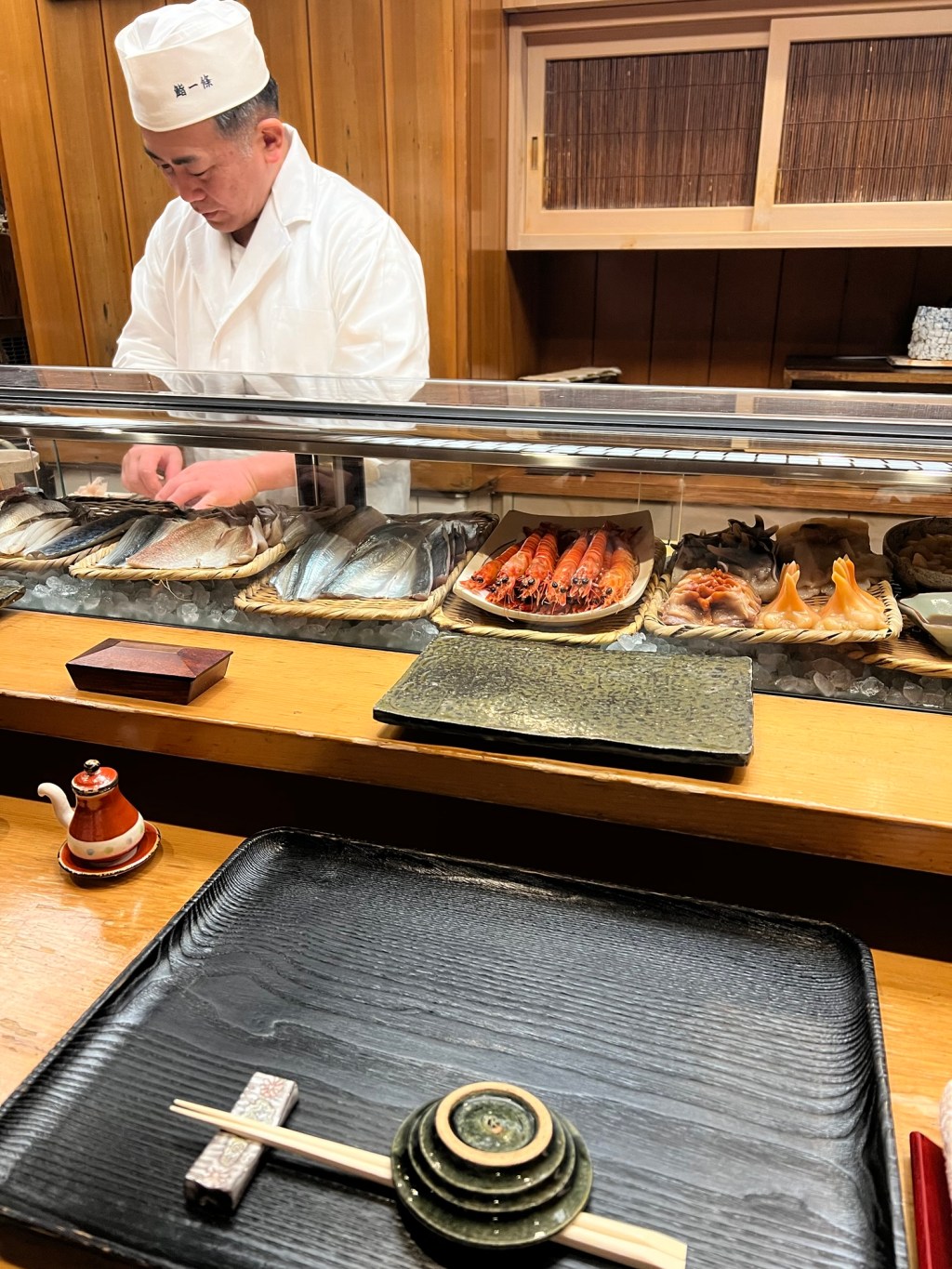
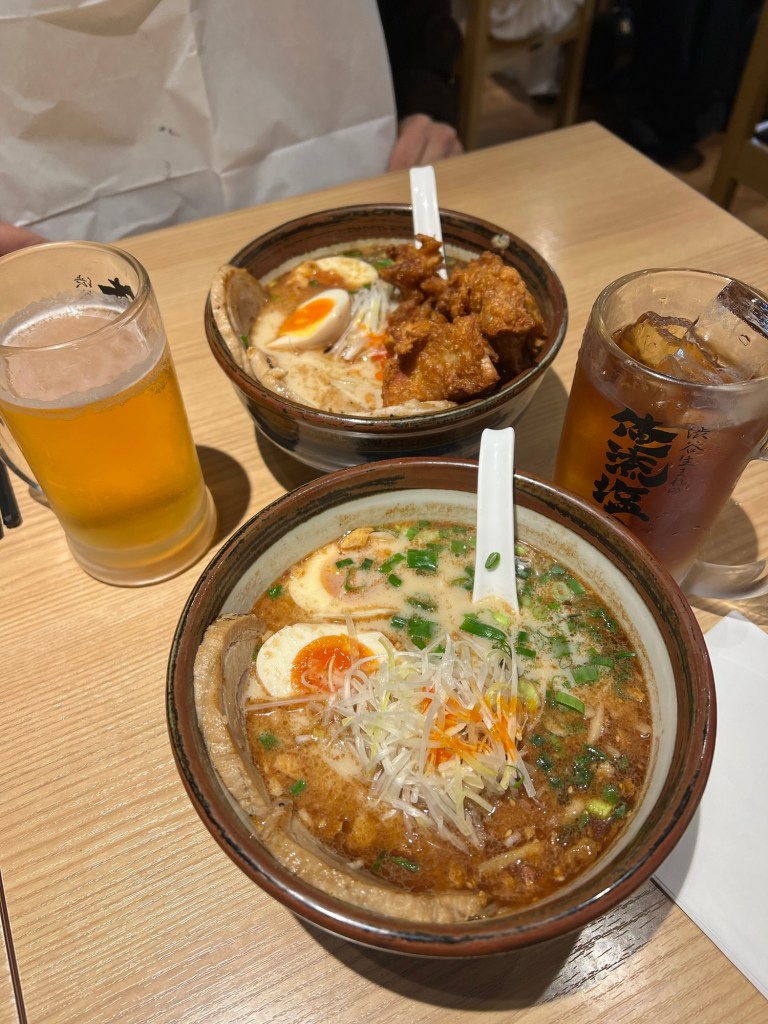
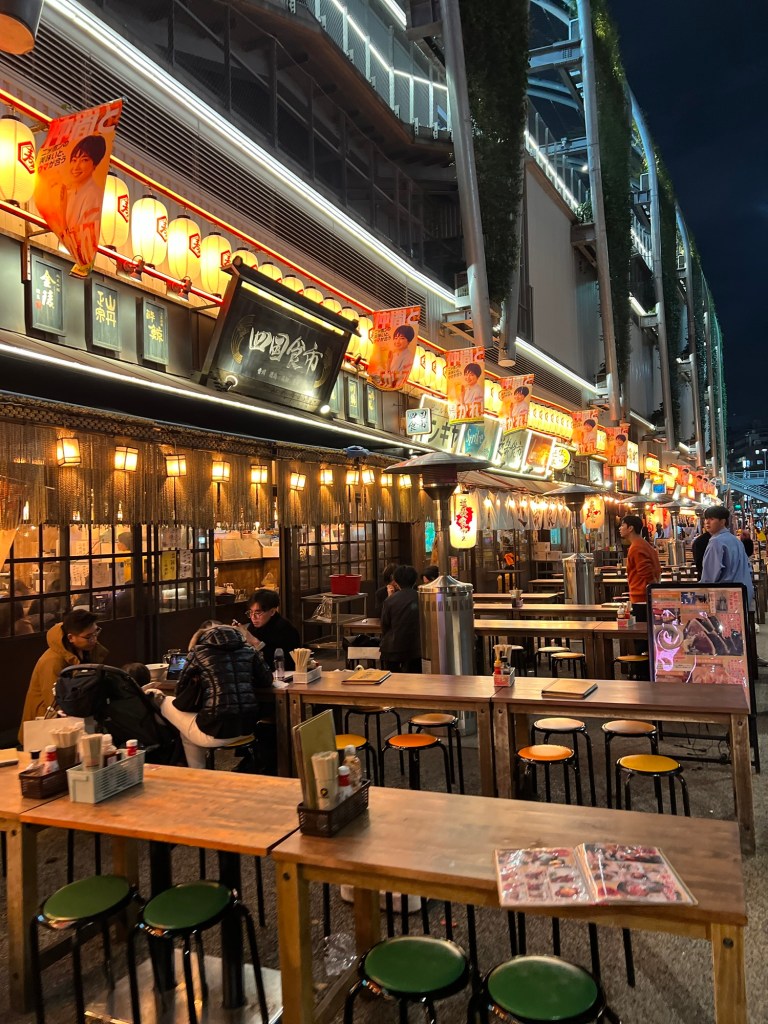

Generally, we booked the hotels 3-4 months in advance, and most everything else 1-2 weeks before. As such, we didn’t do the list of experiences I mentioned above in the travel strategies, but don’t get it twisted we still had a FABULOUS time. You can show up to Japan and figure it all out on the spot, but these are just tips to save you time and $$$!
Stay tuned for the areas of Japan I recommend, and food/shopping takeaways coming soon in future posts! I’m telling you – this was not a one and done post! 🙂 But I hope you learned a few new things and feel inspired to travel to visit Japan. So far, it’s the most magical place I’ve visited, but I’ve always loved Japanese food and culture. xo Lisa

 Aspire Higher
Leave a reply to Priya Grover Cancel reply